Somewhere on almost every Chinese solar quotation, next to the price, sits a small line: OEM/ODM accepted. Some buyers scroll past it. Others build their entire business on it. The choice between ready-made equipment and your own label is not cosmetic — it changes your minimum order, your lead time, the certification paper that clears customs, and who your customer calls when a unit fails in year three.
This guide to OEM vs ODM solar sourcing defines the two terms as they are actually used in manufacturing, compares the trade-offs line by line, and gives you a decision framework for your first order and your fiftieth. It is the branding companion to our guide to choosing a solar panel supplier in China — that article covers how to pick the partner; this one covers what you can put your own name on once you have.
What OEM and ODM Actually Mean in Solar
The definitions are simple; the consequences are not.
- OEM (Original Equipment Manufacturer) — the factory produces its own design and you sell it under your brand: your logo on the module frame or inverter fascia, your name on the carton, the manual and the warranty card. The engineering is the factory’s; the brand in front of the customer is yours.
- ODM (Original Design Manufacturer) — the factory designs the product as well, and you customise it: different power classes, a different enclosure or user interface, your firmware defaults. You are buying a development programme, not just a production run.
- White label / ready-made — the factory’s standard model, unbranded or neutral-labelled, shipped as it comes. No tooling, no approvals, the fastest route to revenue.
| Route | Whose design | Typical MOQ* | Added lead time* | Certificates | Best for |
|---|---|---|---|---|---|
| Ready-made / white label | Factory’s standard model | Container economics only | None | Factory’s existing certificates | First orders, tight deadlines |
| OEM (private label) | Factory’s design, your brand applied | From one container for modules; higher for electronics | +2–4 weeks (artwork, samples, first article) | Factory certificates; your brand on nameplate and manual | Distributors building a house brand |
| ODM (custom design) | Co-developed specification | Highest, set per project | +8–16 weeks including samples and approvals | May require new or re-issued certificates | Established brands, differentiated products |
*Ranges are typical for the industry and vary by product line and factory. Treat them as planning inputs, not commitments — confirm them in writing for your specific configuration.
The Trade-Offs That Actually Decide the Choice
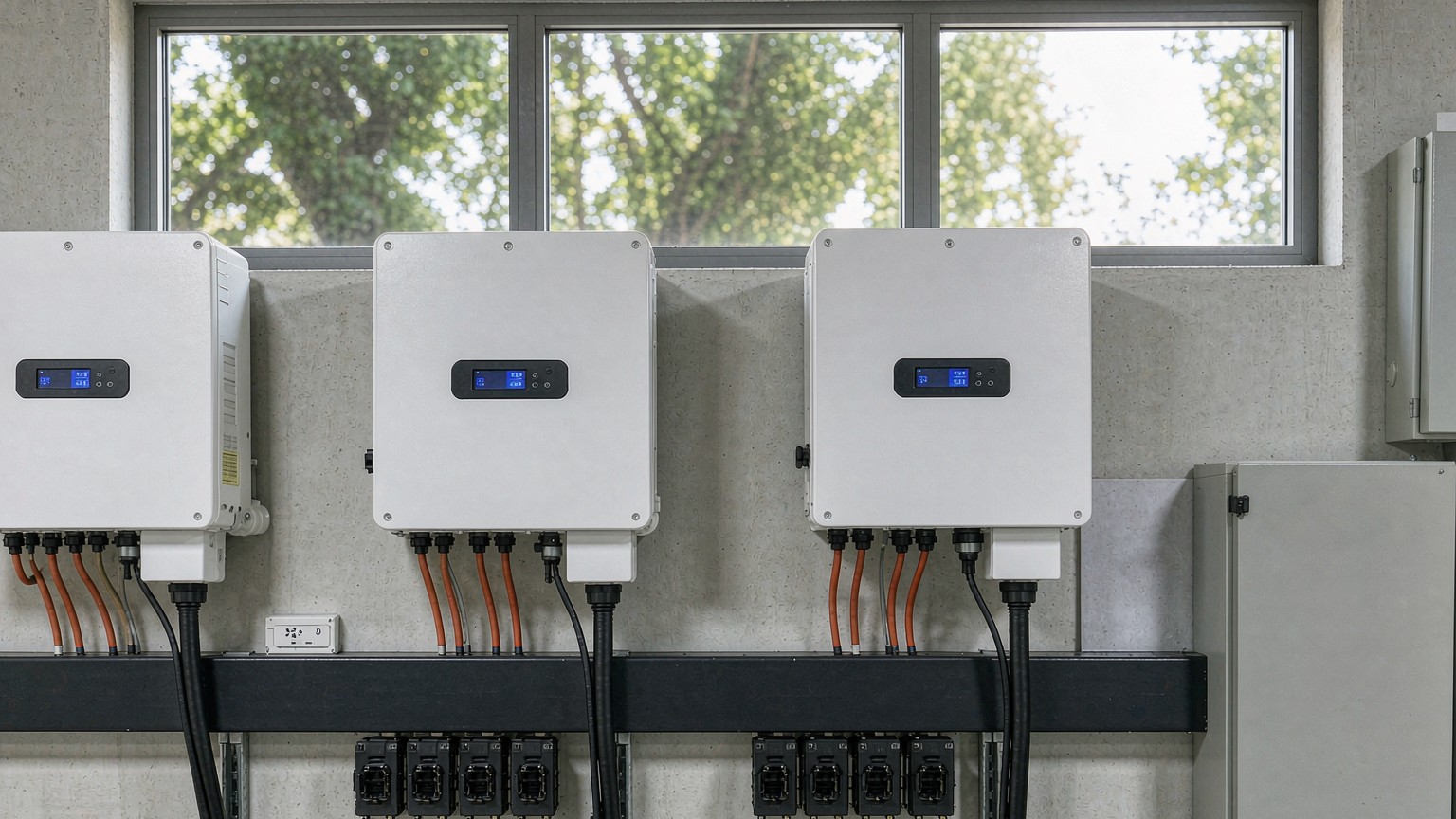
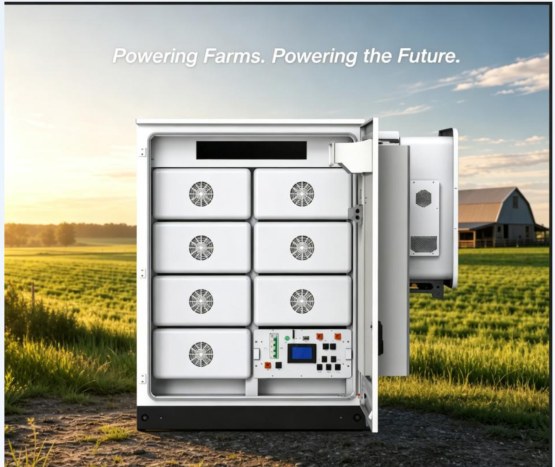
Minimum order. A label and a carton are cheap; a mould and a certificate are not. Applying your brand to a solar module or a battery cabinet is largely a packaging-and-paper exercise, which is why private labelling at container scale is routinely available. Electronics are different: a private-label hybrid inverter may involve fascia tooling, firmware builds and manuals in your language, which pushes minimum orders into the hundreds of units. A true ODM project adds engineering charges on top, whether quoted as NRE or amortised into the unit price.
Lead time. Ready-made goods can be booked into a mixed container within days of artwork approval. Private label adds label proofing, a pre-production sample and a first-article confirmation — typically two to four extra weeks. Custom design adds design review, sample rounds and, if the variant differs enough, certification testing measured in months. When the commissioning date is fixed, the calendar usually makes this decision for you.
Price and margin. OEM adds a small per-unit cost for labelling and packaging — usually minor against the brand margin you gain. ODM adds tooling and development amortisation. The trap to avoid is comparing an OEM quote from one factory against a white-label quote from another: once MOQ, lead time and documentation are equalised, the ranking often changes.
The fourth trade-off is the one buyers discover last: warranty. When your brand is on the product, your customer’s contract is with you. The factory’s warranty runs to you or to your sourcing partner, and the claims path, spare-parts stock and failure-analysis responsibility need to be agreed in writing before production, not after the first field return.
When Private Label (OEM) Makes Sense
- You are a distributor or wholesaler with repeat, container-scale volume and your own service capability in the destination market.
- Brand equity matters in your channel: end customers compare shelf prices, and a house brand escapes the pure price comparison that international commodity brands attract.
- You can commit to the MOQ per model per order cycle — a label programme that stalls at half a container costs more than it earns.
- Your market accepts certificates held by the manufacturing factory while the product carries your name. Most do; confirm before you commit (see below).
When Ready-Made Stock Wins
- First order in a new market. Prove demand with the factory’s standard model before paying for labels, tooling or certification. Every serious supplier would rather earn a second container than sell you a branding programme you cannot repeat.
- Fixed project deadlines. When a plant must commission on a date, production slots and vessel space beat branding. You can always private-label the repeat order.
- Certified-for-market configurations. A ready model already carries its CE, IEC or UL file for the exact configuration; a custom variant may need re-testing — see the certification section below.
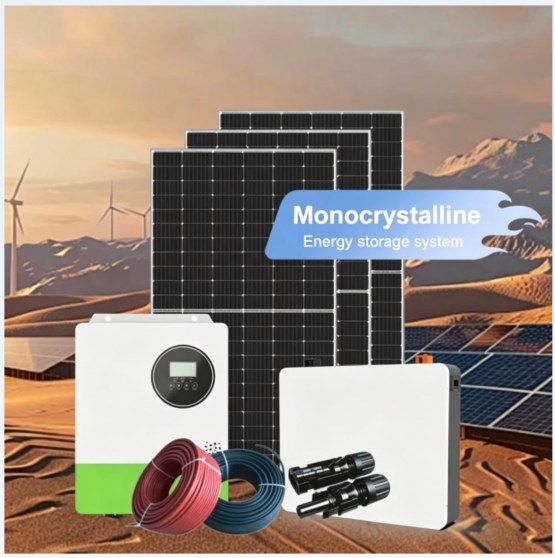
- Mixed product-line orders. When one container combines modules, inverters, batteries and mounting, a consistent neutral label across all of them is often simpler and cheaper than a separate branding approval for each line.
The Certification Trap Under a Private Label
Certificates follow the product and the certificate holder’s legal name — not the brand on the carton. In practice this is rarely a blocker, but it is exactly where careless private-label deals go wrong. Before you commit, get three answers in writing:
- Whose name is on each certificate — the CE declaration of conformity, the IEC test reports, the UL or ETL listing, and the UN38.3 transport report for batteries. It should be the manufacturing factory that actually builds the product. Our CE vs UL vs IEC guide explains how to read each document.
- Will the factory authorise your brand — a brand-authorisation or OEM declaration letter tying your label to their certified models, so that customs, a distributor or a utility asking for paperwork receives a consistent chain.
- Does your market care — a few registries and interconnection processes match the nameplate brand to the certificate. Check with your local authority before the first shipment, not after.
The failure mode is a mismatched chain: your brand on the nameplate, a certificate for a different model variant, and no letter connecting them. The hardware clears customs or it does not — paperwork decides, and paperwork is cheap to fix before production and expensive after.
Warranty and After-Sales When the Brand Is Yours
Under private label, your customer buys from you, so the commercial warranty is yours to honour. The factory’s warranty then runs back-to-back to you, and the terms worth negotiating are specific: the duration per product line, the claim evidence required (flash-test data for modules, BMS logs for batteries), who performs failure analysis, the spare-part buffer held for you, and the turnaround for replacements. Agree these at contract stage — the same stage where you settle how to pay a Chinese solar supplier safely, since deposit-stage leverage is the cheapest time to fix terms.
How EverRay Handles OEM and ODM
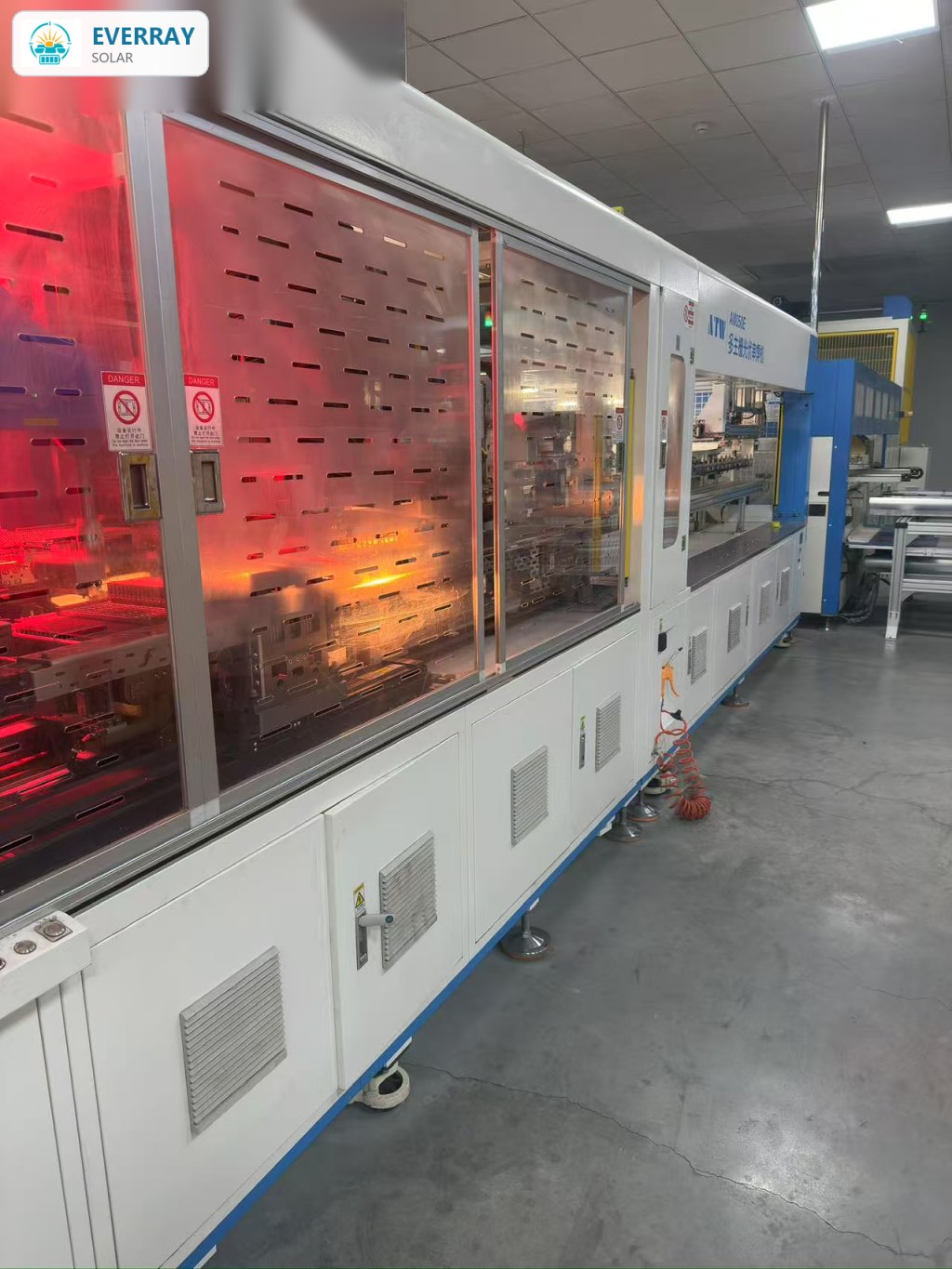
EverRay is a one-stop sourcing and solution partner working with more than twenty audited factories across nine product lines — we are not a single factory, and we are explicit about that, because it is the reason the model works for branding. One team coordinates labels, artwork, manuals, packaging and documentation across every product line in your container, drawing on plants we have already audited and visited — see the facilities on our factory tour page.
- One brand, mixed container. Consistent labels, cartons and English manuals across modules, inverters, batteries, storage and mounting — one commercial invoice, one bill of lading, one documentation set.
- Factory certificates with authorisation letters. You receive the manufacturing factory’s certificates for the exact models, plus OEM declarations tying your brand to them.
- Sampling and first-article control. Pre-production samples, artwork approval and first-article confirmation before mass production, with pre-shipment inspection on request — the same controls described in our factory verification guide.
- Honest limits. Private label on modules is routinely viable from one container; on inverters and batteries MOQs are higher; full ODM development runs on a project timeline. We will tell you which route your volume actually supports before you spend money on it.
The track record behind this model is public: 83 delivered projects across 52 countries, including distributor programmes and mixed-container deliveries, show how the supply model performs at scale.
Frequently Asked Questions
What is the difference between OEM and ODM in solar?
OEM means the factory’s design is produced with your brand applied — logo, carton, manual and warranty card. ODM means the factory designs the product itself and you customise specifications, appearance or firmware. In both cases the manufacturing factory holds the certificates; what changes is how much of the product you can modify.
What is the minimum order for private-label solar panels?
For modules, private labelling is often viable from a single container, because the change is packaging and labelling rather than engineering. For inverters, batteries and other electronics, tooling, firmware and language-localised manuals push MOQs higher — typically hundreds of units. Ranges vary by factory and product line, so confirm in writing for your configuration.
Can I put my brand on products certified under the factory’s certificate?
Generally yes, provided the factory issues a brand-authorisation or OEM declaration connecting your label to its certified models. The certificate holder remains the manufacturing factory. A few markets match the nameplate brand to the certificate in their registries, so check local requirements first — our certification guide covers the documents involved.
Who handles warranty if I sell under my own brand?
Your customer’s warranty is with you, and the factory’s warranty runs back-to-back to you. Negotiate the claims process, evidence requirements, spare-parts buffer and replacement turnaround at contract stage, not after the first field failure.
Can one container mix OEM and ready-made product lines?
Yes, and it is one of the practical advantages of a sourcing-partner model: part of the container can carry your label while the rest ships as standard models, all under one invoice and one documentation set. Our FOB vs CIF vs DDP guide covers how the shipping terms interact with mixed shipments.
Get an OEM or White-Label Quote
Tell us the product lines, your market and your expected volume, and we will come back with what is realistic: which models can carry your label, at what MOQ, with which certificates and what lead time — alongside the ready-made alternative so you can compare the two on total cost. Browse the 2026 product catalogue to shortlist product lines, or send us your requirements and we will respond within 24 hours.
Get a Quote for Your Solar Project
Tell us your destination market and requirement. We reply within 24 hours on business days with specifications, certificates and pricing — no obligation.
Get the 2026 EverRay Product Catalogue
25 pages · solar modules 440-730W, hybrid inverters 2-150kW, LiFePO4 batteries, home & C&I energy storage, solar pumps, lighting and PV cleaning