Every sourcing failure we see in solar has the same shape. The hardware is fine, the price was sharp, and the shipment still dies — because the solar certifications did not match the market it was headed for. Modules that clear Rotterdam can be refused in Los Angeles. A battery cabinet that is perfectly legal in Johannesburg may be blocked by a fire marshal in Texas. Certification is not paperwork you collect at the end; it is the gate your product passes before anyone will touch it.
This guide is the compliance companion to our factory verification guide. That article shows how to prove a supplier is real; this one answers what comes next: which certificates does your market actually require, and how do you tell a real certificate from a borrowed one? We break down the three certification families — CE, UL and IEC — map them against the world’s main markets, and give you three checks that expose the most common certificate fraud in the industry.
Why Certifications Decide Whether Your Project Ever Starts
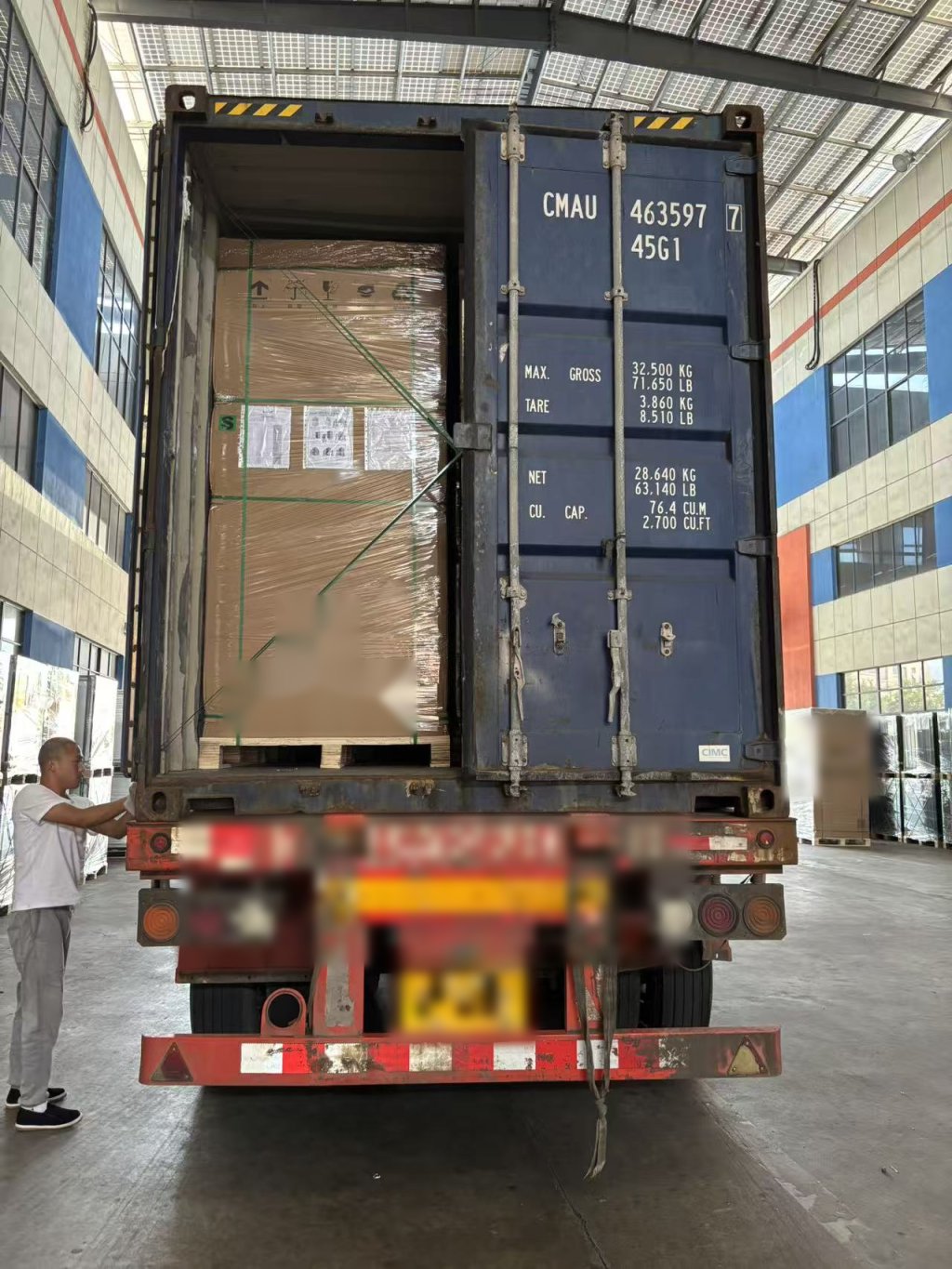
A missing or mismatched certificate stops a shipment at one of three gates. Customs requires CE documentation in the EU, SASO/SABER in Saudi Arabia, PVoC in Kenya and SONCAP in Nigeria; without it, goods sit in bonded storage while demurrage eats the margin. The installer or EPC carries liability and warranty obligations, so an uncertified inverter or battery is a component they simply cannot fit. And the authority having jurisdiction, for grid connection and fire approval, increasingly demands evidence beyond a general listing — for storage in North America, that evidence is often the UL 9540A report, and no amount of negotiation replaces it.
The Three Certification Families You Will Meet: CE, UL and IEC
Almost every certificate you will be shown belongs to one of three families. They look similar on a PDF and mean very different things.
| Family | Where it governs | What it actually is | Typical solar standards |
|---|---|---|---|
| CE | European Union | A legal market-access mark based on the manufacturer’s declaration of conformity | LVD 2014/35/EU, EMC, RED, Battery Regulation (EU) 2023/1542, RoHS |
| UL | United States and Canada | Third-party safety certification from a Nationally Recognized Testing Laboratory | UL 61730, UL 1741 SB, UL 1973, UL 9540, UL 9540A |
| IEC | Global baseline | International standards, tested by bodies such as TÜV, SGS and Intertek | IEC 61215, IEC 61730, IEC 62109, IEC 62619 |
CE Marking — Europe’s Passport, and What It Does Not Prove
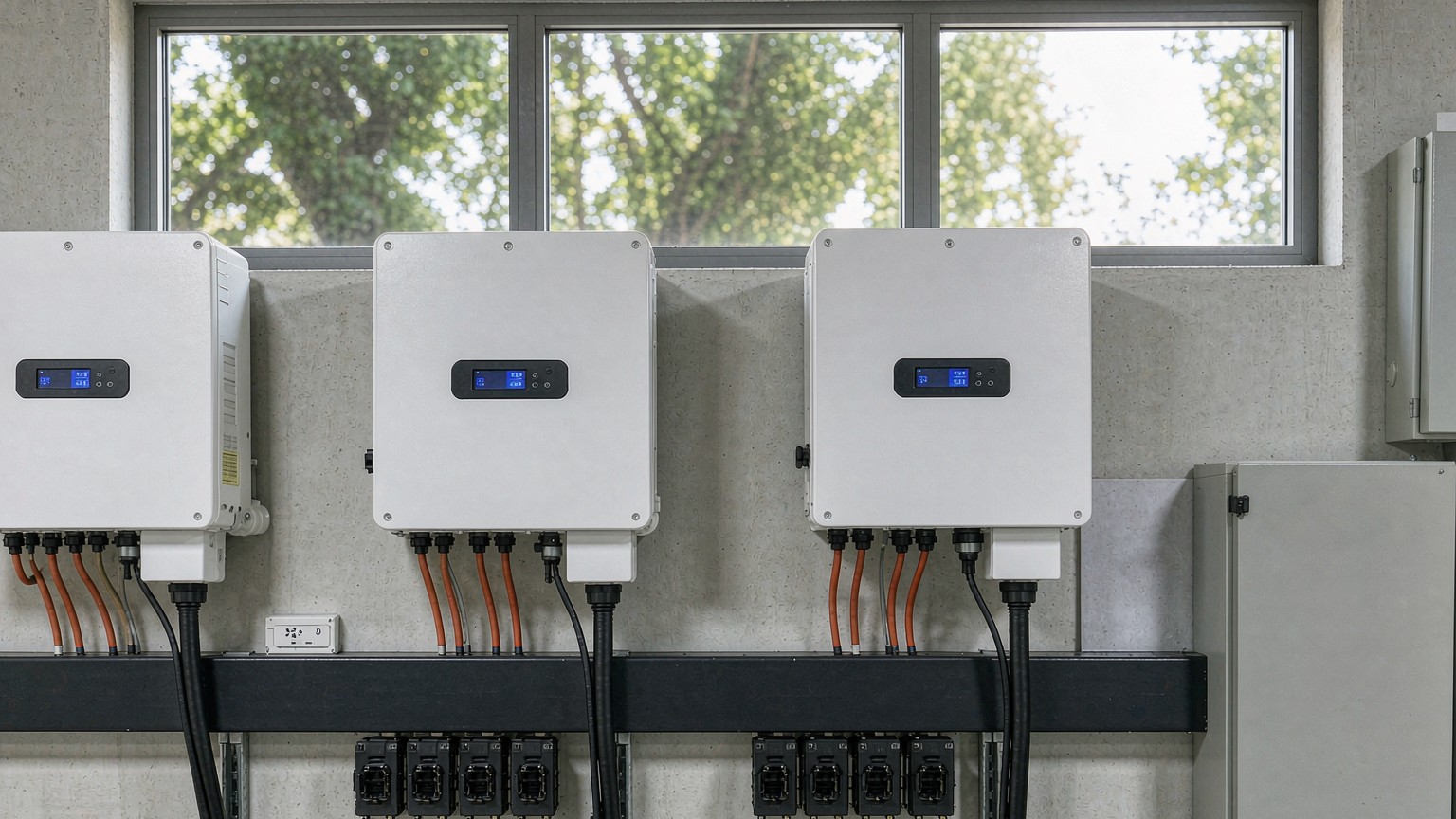
CE is the most misunderstood mark in the industry because it is not, strictly speaking, a certificate. CE marking is a declaration by the manufacturer that the product meets the applicable EU directives, backed by a technical file and, for certain products, a notified body. For solar equipment these are usually the Low Voltage Directive, EMC for inverters, the Radio Equipment Directive for inverters with Wi-Fi or Bluetooth, the Battery Regulation for storage, and RoHS.
Because CE is largely self-declared, it does not prove three things buyers assume. It is not a quality grade — a budget module and a premium one can both be CE marked. It is not proof of third-party testing unless a notified body was involved. And it is not a performance statement: CE says nothing about how much a module will produce. What it does is buy entry — at EU customs, the declaration of conformity and technical file are what matter, and a certificate from an unaccredited laboratory is not a substitute.
UL — The North American Safety Gate, and the 9540A Reality
In the United States and Canada, safety certification is performed by an NRTL — UL, Intertek (ETL), TÜV SÜD America or CSA. Modules fall under UL 61730. Grid-tied inverters fall under UL 1741 SB, which folds in the IEEE 1547-2018 grid-support requirements. Stationary batteries fall under UL 1973, and complete storage systems under UL 9540.
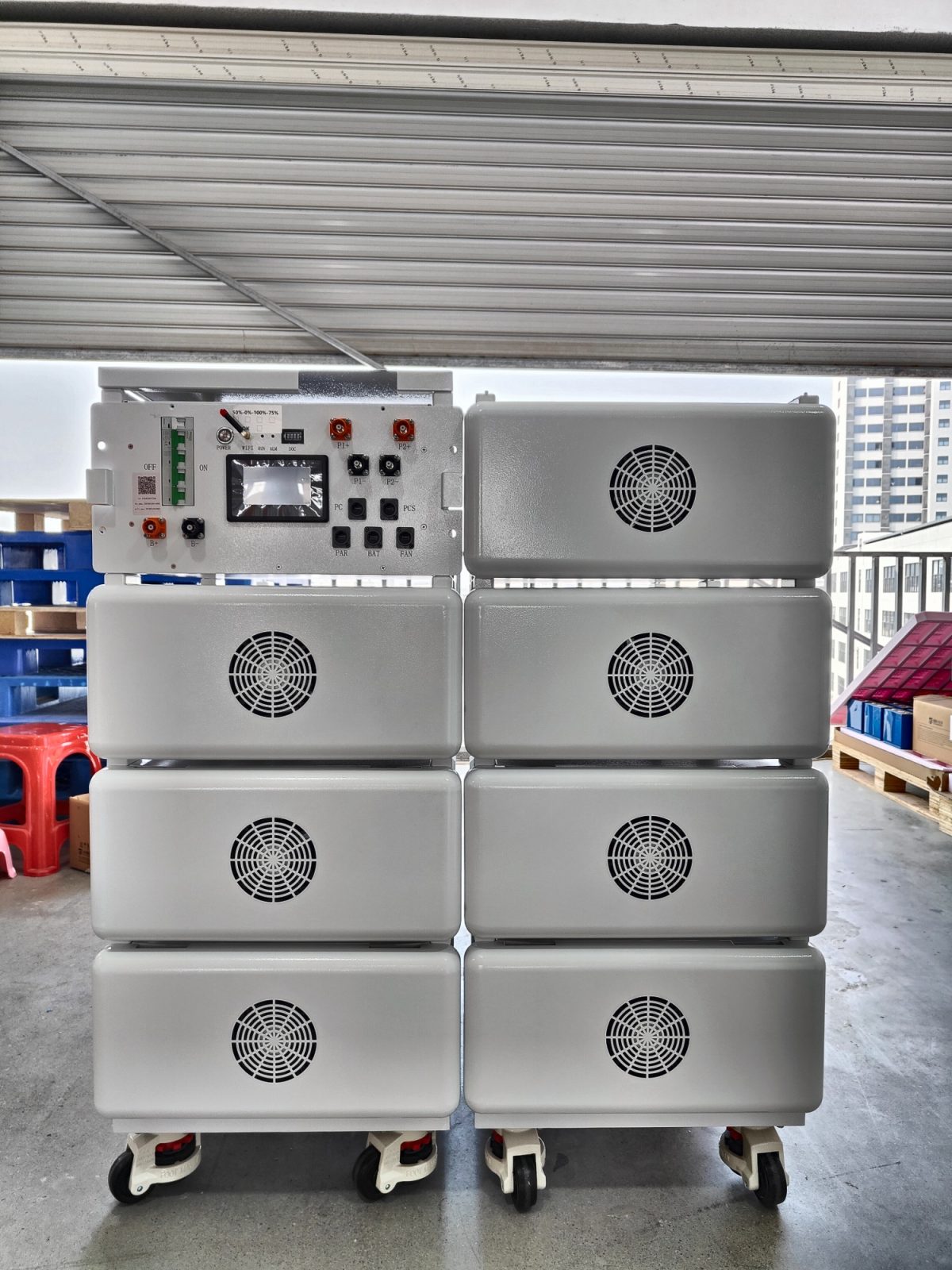
The standard that most often stops projects is a fourth one: UL 9540A, the thermal runaway propagation test. UL 9540 is a system listing; UL 9540A is the report showing what happens when a cell fails inside the enclosure. Fire departments and AHJs across the US increasingly require the 9540A report as a separate document, and a system with a 9540 listing but no 9540A report can be rejected at permit stage. In Canada, cUL or CSA C22.2 applies on top of provincial rules. Buyers who assume a single “UL certificate” covers North America usually find the gap after the deposit is paid.
IEC — The International Baseline Most Markets Copy
IEC standards come from the International Electrotechnical Commission and form the technical backbone that national rules are written around. The ones you will see most are IEC 61215 for module design qualification, IEC 61730 for module safety, IEC 62109-1 and -2 for inverter safety, and IEC 62619 for the safety of industrial lithium cells and batteries.
The critical distinction is that IEC issues standards, not certificates. The certificate comes from a testing body — TÜV Rheinland, TÜV SÜD, SGS, Intertek, DEKRA — which tests against the IEC standard and issues a CB test certificate. This is why two suppliers can both claim “IEC certified” while only one can produce a certificate number that resolves in the issuing body’s public database. Across the Middle East, Africa, Southeast Asia and Latin America, an IEC report from a recognised body is often accepted directly, sometimes alongside a local mark.
Which Solar Certifications Your Market Actually Requires
The table below maps the main destination markets to the documents to request. Treat it as a starting checklist, then confirm the latest requirements with your customs broker, because national rules change and are sometimes stricter than the international baseline.
| Market | Modules | Inverters | Batteries / ESS | Local extra |
|---|---|---|---|---|
| European Union | CE (LVD) + IEC 61215 / 61730 | CE (LVD, EMC, RED) + IEC 62109 | CE + IEC 62619 + UN38.3 | Battery Regulation documentation |
| United States | UL 61730 | UL 1741 SB | UL 9540 + UL 9540A + UL 1973 | State and AHJ fire rules |
| Canada | cUL / CSA + UL 61730 | CSA C22.2 + UL 1741 | UL 9540 (and 9540A in many provinces) | Provincial requirements |
| United Kingdom | UKCA (CE accepted in many cases) | UKCA | UKCA | Post-Brexit rules change — confirm first |
| Australia & NZ | IEC 61215 / 61730 | AS/NZS 4777.2 + CEC listing | IEC 62619 + AS/NZS 5139 | Clean Energy Council approval |
| Saudi Arabia | IEC + SASO / SABER | IEC + SASO | IEC + SASO | SABER registration |
| Nigeria / Kenya | IEC + SONCAP / PVoC | IEC + SONCAP / PVoC | IEC + SONCAP / PVoC | SON or KEBS conformity |
| Brazil | IEC + INMETRO | IEC + INMETRO | IEC + INMETRO | ANATEL for wireless functions |
| India | BIS + ALMM listing | BIS | BIS | ALMM for government-linked projects |
The Three Checks That Expose a Fake or Borrowed Certificate
Certificate fraud in solar is rarely a forged PDF. It is almost always a borrowed certificate — a trading company presenting a factory’s paperwork, or a valid certificate stretched to cover a model it was never tested for. Three checks catch it, and none require technical expertise.
First, resolve the certificate number in the issuing body’s own database. TÜV Rheinland’s Certipedia, SGS, Intertek’s directory and UL Product iQ all allow public lookups. If the number does not resolve, stop there.
Second, compare four fields, not one. Check that the certificate holder is consistent with the party in your contract — a trading company may legitimately sell on a factory’s certificate, but the chain must be documented and disclosed. Check that the certified model numbers match your quotation exactly; a certificate covers precisely the models listed, and “a similar model” is not covered. Check the validity, because superseded standards such as the older UL 1741 quietly invalidate a project’s approval. And check the issuing body’s accreditation, since a certificate from an unaccredited laboratory may carry no weight with an authority.
Branding adds one more layer to this check. If the product will carry your label rather than the factory’s, our OEM vs ODM guide for solar buyers explains the brand-authorisation letters and documentation chain that keep a private-label shipment consistent.
Third, verify the company, not just the paper. A clean certificate attached to a company that cannot show its own production records is still a risk. Our 12-point verification guide covers the factory checks, and the same logic applies here: verify the party who will be accountable, then verify the document.
How to Ask for Certification Documents the Right Way
Ask for the EU declaration of conformity, IEC test reports from an accredited body, the UL or ETL file number with its listing, the UL 9540A report for any complete storage system, the UN38.3 transport test summary and MSDS for anything containing lithium cells, and the Battery Regulation documentation for EU destinations. Then put the certificate numbers into the contract and make “the delivered goods match the certified models” a condition of the final payment. That clause, paired with the deposit protection in our payment safety guide, removes most of the downside from the deal.
How EverRay Handles Certification Documentation
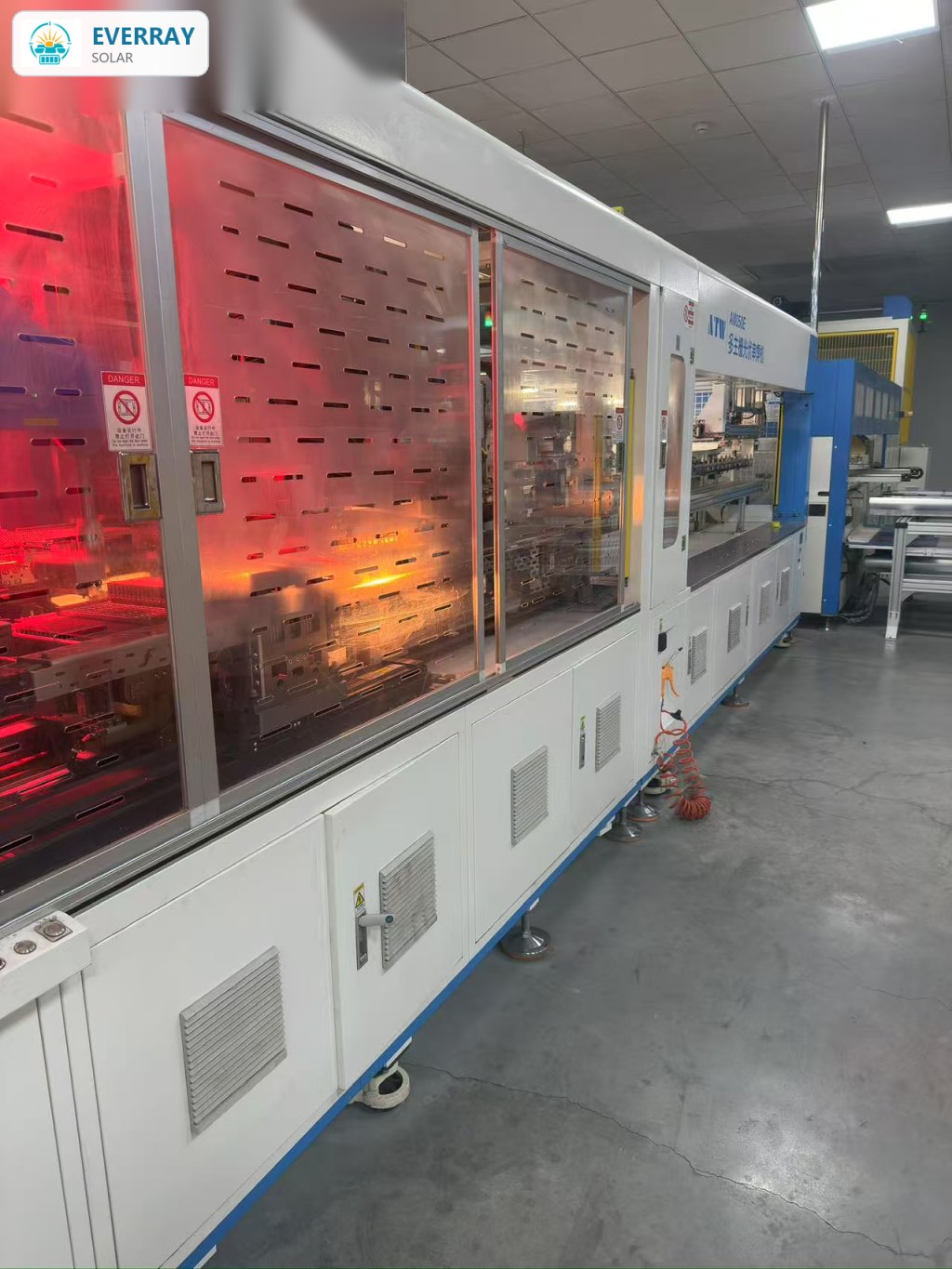
EverRay operates as a one-stop solution provider across more than 20 vetted partner factories rather than as a single production line. The model has a direct benefit for certification: for each order we match the certificate set to the destination market instead of shipping whatever paperwork is closest to hand. Our solar modules, LiFePO4 batteries, hybrid inverters and commercial energy storage systems ship with the CE, IEC, UL and UL 9540 documentation the destination requires, and we document the certificate chain from the certified holder through to your contract. Our liquid-cooled commercial ESS carries a five-year warranty and our commercial batteries a ten-year warranty, so the compliance file and the warranty run together rather than separately.
Frequently Asked Questions
Is CE marking mandatory for solar products in the EU?
Yes, for products covered by the relevant directives. Modules, inverters and batteries fall within the Low Voltage Directive and, for inverters, the EMC and Radio Equipment Directives. Your due diligence is to confirm the declaration exists, covers your exact model, and is backed by a real technical file.
What is the difference between UL and IEC certification?
UL is a North American certification issued by an NRTL and is what US and Canadian authorities expect. IEC is a set of international standards, tested by bodies such as TÜV or SGS and accepted directly in many markets outside North America. A product can hold both, and for a project that spans regions it usually should.
Do I need UL 9540A for a home battery?
For a single residential unit in most jurisdictions, a UL 9540 listing with UL 1973 batteries is normally sufficient, and 9540A is often not mandated. The requirement tightens sharply for commercial and industrial systems and for installations under strict fire codes, where the 9540A report is increasingly the first document the AHJ asks for. Confirm with the local authority before specifying.
Can a trading company sell products certified under a factory’s certificate?
Yes, and it is common — but only when the chain is documented and the certificate covers the exact model being sold. The risk is not the arrangement, it is an undisclosed or mismatched chain, which is why the three checks above matter more than the logo on the page.
Get the Certificate List for Your Market
Tell us your destination country and project size and we will send back the exact certification set your customs broker and local authority will ask for, along with the documentation we provide with every shipment. Browse our nine product lines and download the 2026 product catalogue, see the certifications and compliance page, or send us your requirements and we will respond with specs, certificates and pricing for your market.
Get a Quote for Your Solar Project
Tell us your destination market and requirement. We reply within 24 hours on business days with specifications, certificates and pricing — no obligation.
Get the 2026 EverRay Product Catalogue
25 pages · solar modules 440-730W, hybrid inverters 2-150kW, LiFePO4 batteries, home & C&I energy storage, solar pumps, lighting and PV cleaning