Most buyers assess solar suppliers the same way: visit three factories, compare three quotations, pick the one that feels most organised. Six months later they discover that the plant which looked best on the day had no incoming inspection, or that the cheapest quote came from a company whose certificate is held by somebody else.
The problem is not diligence. It is that a factory visit produces impressions, and impressions cannot be compared across three sites visited on three different days. A scorecard fixes that: six dimensions, fixed weights, one number per supplier. It takes about two hours per supplier and it turns a judgement call into a shortlist.
Why a weighted scorecard beats a gut decision
Three things happen when you score instead of judge. You stop rewarding showroom quality, because a clean lobby is worth zero points. You notice the dimension you would otherwise skip — usually documentation or delivery history. And you can defend the decision afterwards, to a boss or a tender committee, with numbers rather than “they seemed more professional”.
It also exposes the trade-off you are actually making. A supplier scoring 9 on price and 3 on quality is not a bargain; it is a decision to absorb risk that nobody has costed. If you are scoring suppliers for residential storage, our home energy storage system guide sets the technical baseline the scorecard should test against.
The six dimensions and their weights
| Dimension | Weight | What it answers |
|---|---|---|
| Legal identity and financial standing | 15% | Is the seller the entity that owns the line, and will it exist in three years? |
| Production capability and control | 20% | Can they make your specification, at your volume, on your date? |
| Quality system and test evidence | 20% | Is quality a process with records, or a promise? |
| Component sourcing and traceability | 15% | Do you know what is inside the product and where it came from? |
| Certification and documentation | 15% | Will the paperwork survive customs, a utility or a tender review? |
| Commercial terms and delivery record | 15% | Will the date and the warranty hold when something goes wrong? |
Score each dimension 0–10 with the rubric below, multiply by the weight, and add up. The scale is deliberately blunt: fine distinctions between 6.5 and 6.8 do not exist in practice.
| Score | Meaning |
|---|---|
| 0–2 | Refused, evasive, or contradicted by another document |
| 3–5 | Verbal assurance only; nothing shown on the spot |
| 6–8 | Document shown, consistent, but gaps in scope or recency |
| 9–10 | Document shown, consistent, verifiable independently, covers your exact product |
What good looks like, dimension by dimension
1. Legal identity and financial standing (15%)
- Business license scope includes manufacturing, not only sales or commission agency
- Entity on the proforma invoice matches the license and the bank beneficiary
- Company age and paid-in capital consistent with the capacity claimed
- Export registration and customs record available on request
A score of 9–10 here means you can name the legal entity you are contracting with and it is the same entity that owns the production asset. A score of 2 means the salesperson is an intermediary and nobody has told you.
2. Production capability and control (20%)
- Number of lines and rated capacity per line, with the arithmetic shown
- Current shift pattern and utilisation
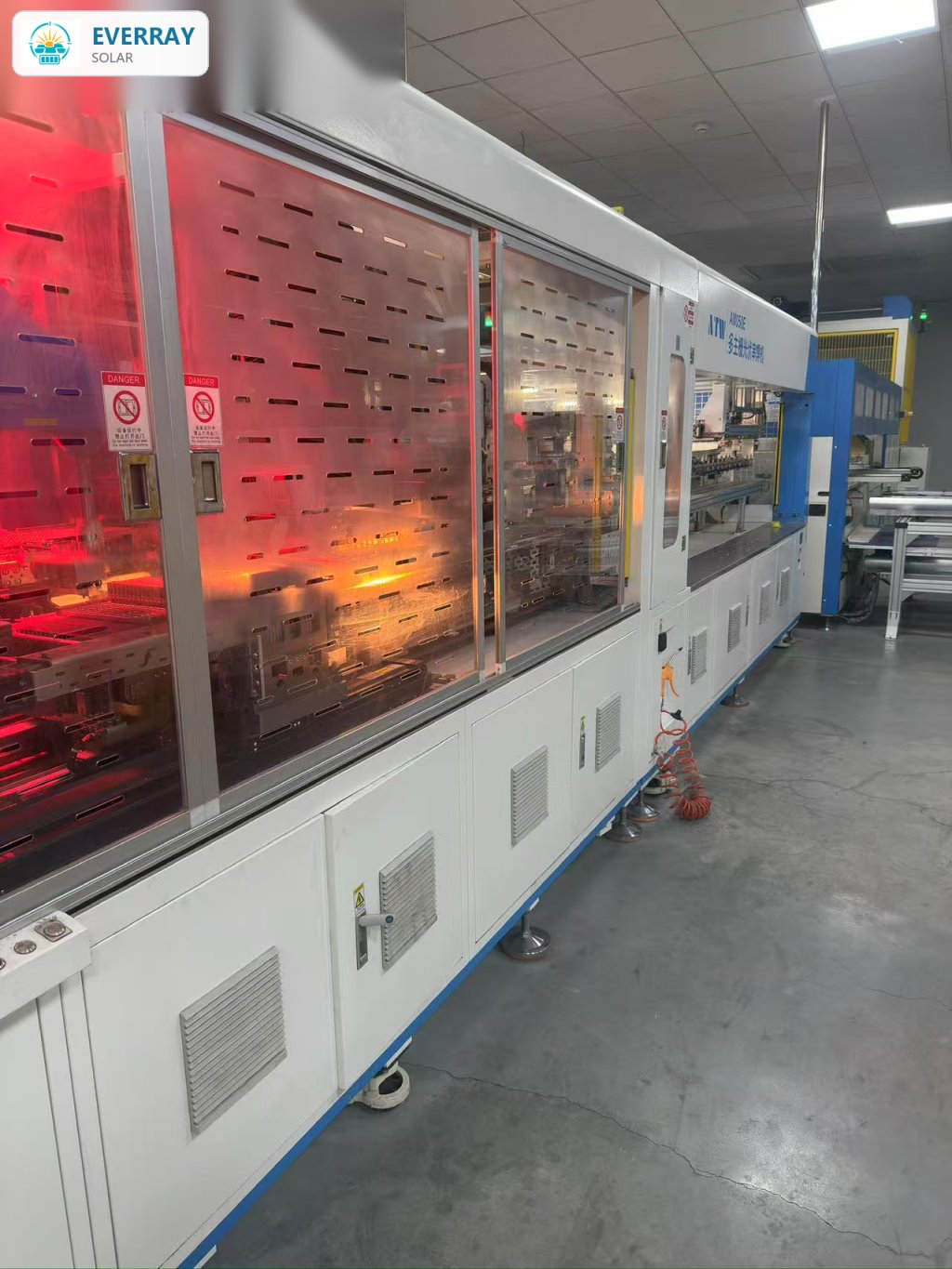
- Which processes are in-house: stringing, lamination, framing, junction box, curing, EL, flash test
- Production schedule for the week you are asking about
This is the dimension where a plausible answer and a real answer diverge fastest. “We can make anything” scores 3. A plant that opens a work order and says “this line runs your power bin on Thursday” scores 9.
3. Quality system and test evidence (20%)
- IQC, IPQC and OQC defined, with filled records for last week
- EL testing rate and stage; images retrievable by batch
- Flash-test data retention and whether the CSV ships with the order
- Scrap and rework rates by process step, for the last three months
Weight this heavily because quality failures are the expensive ones: they surface after the container has cleared customs, at which point rework costs more than the modules.
4. Component sourcing and traceability (15%)
- Cell supplier and grade, with the incoming record for your batch
- Serial-level traceability from finished unit to cell batch and test data
- Written BOM change notification clause, with re-certification trigger
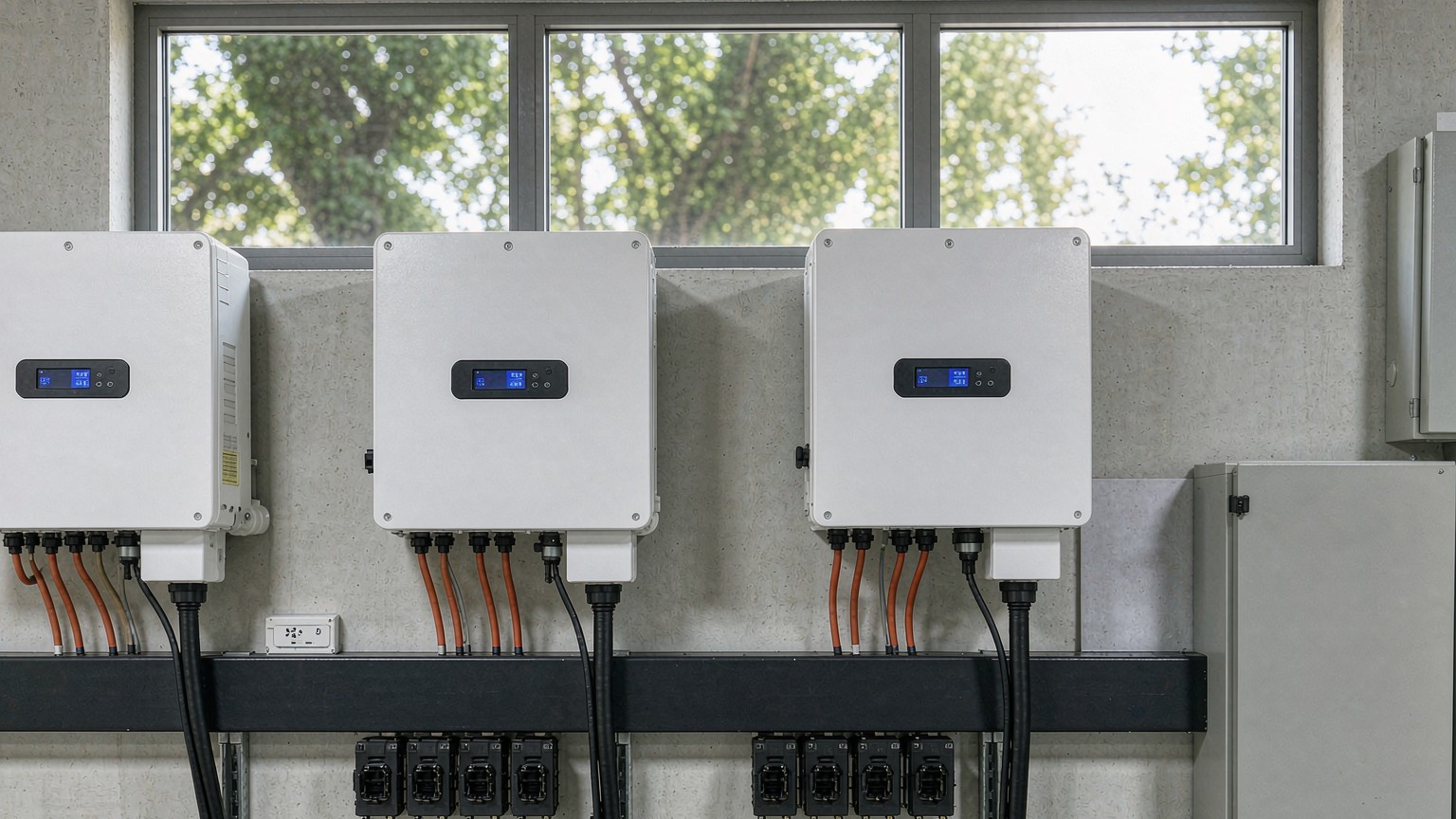
- For inverters and batteries: BMS, PCS, contactor and breaker brands, and whether they appear on the certificate
5. Certification and documentation (15%)
- Certificate in the seller’s name, or a licensing letter connecting holder and seller
- Certificate number verifiable on the issuing body’s website
- Full test report, not the cover page, with your model listed
- Country-specific documents: grid code, fire test, UN38.3, MSDS
6. Commercial terms and delivery record (15%)
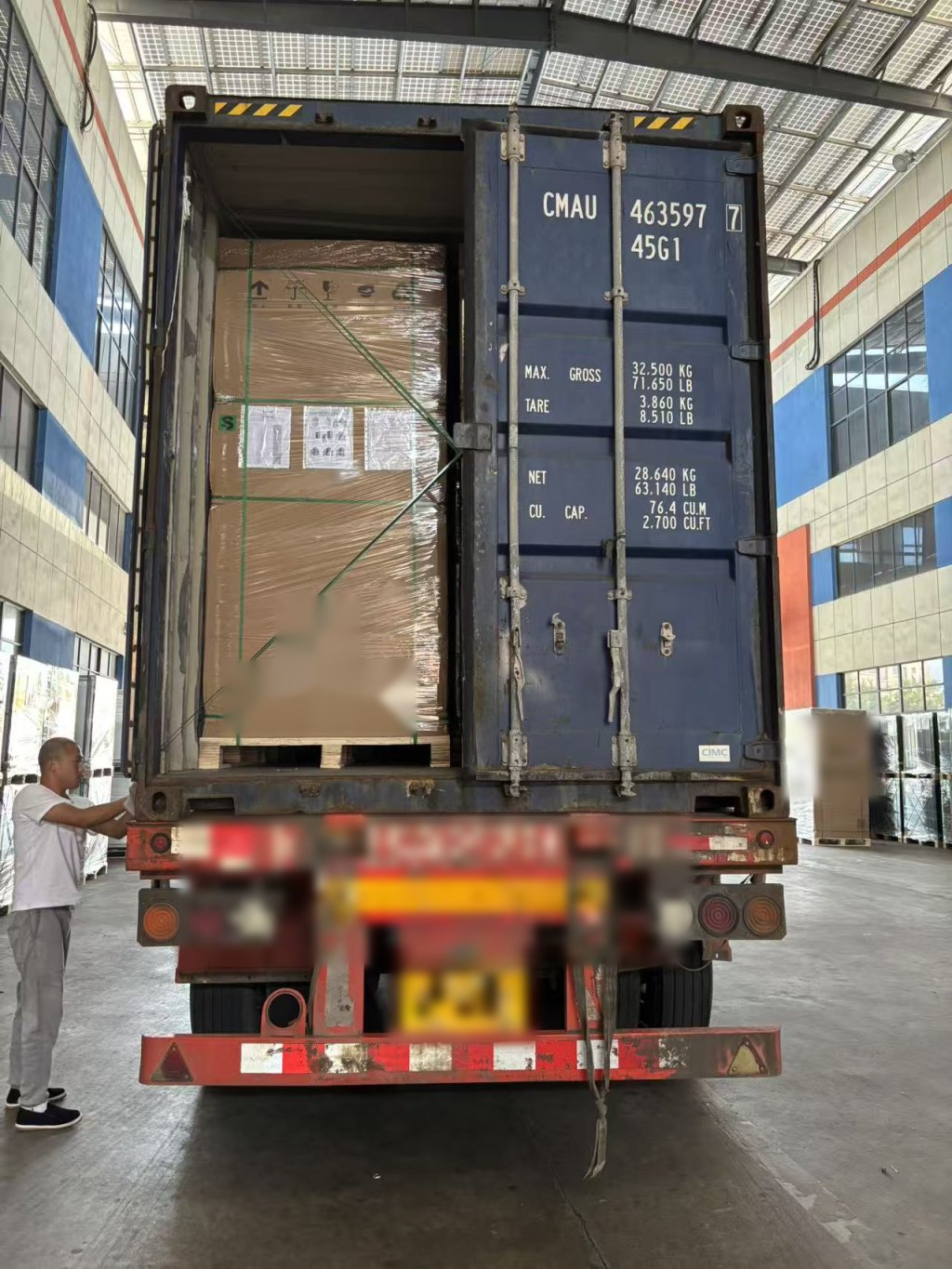
- Committed ship date with a late-delivery penalty
- On-time rate over the last six months
- Deposit security, inspection rights and rework responsibility
- Warranty terms in writing, including who performs the claim
A worked example: three suppliers, one decision
| Dimension | Weight | Supplier A | Supplier B | Supplier C |
|---|---|---|---|---|
| Legal & financial | 15% | 9 | 6 | 7 |
| Production control | 20% | 8 | 9 | 5 |
| Quality system | 20% | 6 | 9 | 4 |
| Traceability | 15% | 7 | 8 | 4 |
| Certification | 15% | 9 | 8 | 6 |
| Commercial & delivery | 15% | 5 | 6 | 9 |
| Weighted score | 100% | 7.3 | 7.8 | 5.7 |
Supplier C is almost certainly the cheapest and the fastest to reply. It also scores 4 on quality and 4 on traceability, which means every saving on the invoice is a risk transferred to you. Supplier A has excellent paperwork and weak delivery commitments — a good second source, not a primary one. Supplier B wins on the two dimensions that cost the most to fix later.
That is the point of the exercise: C is not disqualified because it is cheap, but because you can now see what the cheapness is made of.
Adjust the weights to what you are buying
| Purchase | Raise | Lower | Reason |
|---|---|---|---|
| Solar modules | Quality system, production control | Commercial | Lamination and EL failures are unrecoverable after shipment |
| Hybrid inverters | Certification, component traceability | Production control | Compliance and firmware support matter more than line count |
| Battery cabinets and BESS | Certification, quality system | Legal | Fire test evidence and cell provenance drive the risk |
| Mixed container, first order | Commercial, legal | Production control | You are testing responsiveness and paperwork before volume |
Red lines: disqualify before you score
Some answers end the assessment regardless of the total. Treat these as automatic zeros on the whole supplier:
- Business license does not cover manufacturing and no partner plant can be identified
- Refuses serial-level traceability in any form
- Certificate held by a third party with no authorization letter
- Cannot produce a single filled QC record
- Deposit requested to a personal account or an unrelated company
Score the documents before you book the flight
Two thirds of the scorecard can be completed remotely: license, certificates, test reports, BOM, QC templates and delivery history. Ask for them in one email and give a deadline. How a supplier responds to that request — completeness, speed, whether the documents are consistent with each other — is itself a data point.
Fly only for the dimensions that cannot be documented: whether the line runs what they claim, how the QC records are actually filled in, and whether the people answering your questions are the people who will handle your order. That is a one-day visit, not a three-day tour.
Turn the gaps into negotiation, not into a discount
Once three suppliers are scored, negotiate against the weakest dimension instead of the price. “Your OQC sampling is AQL 4.0; we need 1.0 and a copy of the record for our batch” costs the supplier very little and buys you something the invoice cannot. “Give us 3% off” buys you a supplier who has already priced in the compromise.
Never show your scorecard to the supplier, and never reveal the ranking. Use it to decide what to ask for.
Score the documents first, then the product: the published figures you will be comparing are on the commercial and industrial storage range and the hybrid inverter range, and the certification page lists which standards each line is tested to. A supplier who cannot match those numbers in writing has already lost points on dimension five.
Copy this scorecard
| Dimension | Weight | Supplier A | Supplier B | Supplier C |
|---|---|---|---|---|
| Legal identity and financial standing | 15% | |||
| Production capability and control | 20% | |||
| Quality system and test evidence | 20% | |||
| Component sourcing and traceability | 15% | |||
| Certification and documentation | 15% | |||
| Commercial terms and delivery record | 15% | |||
| Weighted total | 100% |
Score 0–10 per dimension, multiply by the weight, add the column. Print one sheet per supplier and fill it during the visit — not afterwards from memory.
Frequently asked questions
How long does a full assessment take? Two to three hours per supplier for the document stage, plus one day onsite for the final two shortlisted suppliers. Scoring three suppliers in a week is realistic if you send one consolidated document request.
Can I use this scorecard for a trading company? Yes, and you should. A trader can score well on legal, documentation and commercial dimensions; what it usually cannot score on is production control. That is a fair result, not a disqualification — as long as the plant behind the order is identified and auditable.
What total score is good enough? Above 7.5, proceed to a trial order. Between 6 and 7.5, proceed with third-party pre-shipment inspection on every shipment. Below 6, the price needs to be low enough to cover a realistic failure, which in practice it never is.
Should the scorecard include price? No. Price is an output of the specification and the risk you have accepted, not a dimension of supplier quality. Compare landed cost after the shortlist is set, otherwise the cheapest supplier always wins the assessment and you have learned nothing.
The twenty questions behind each dimension are set out in our solar factory audit checklist; the documentary checks that precede a visit are in the supplier verification guide. If you would rather score us first, start with our certificates, the factory tour, or send the document request to our team — we answer it in one working day, including the dimensions where we score lower.
Get a Quote for Your Solar Project
Tell us your destination market and requirement. We reply within 24 hours on business days with specifications, certificates and pricing — no obligation.
Get the 2026 EverRay Product Catalogue
25 pages · solar modules 440-735W, hybrid inverters 2-150kW, LiFePO4 batteries, home & C&I energy storage, solar pumps, lighting and PV cleaning