Malaysia closed NEM. The maths changed for every solar quote.
Malaysia’s Net Energy Metering scheme stopped accepting new applications in June 2025. From 1 January 2026, every new rooftop system runs under Solar ATAP (Solar Accelerated Transition Action Programme, Guidelines GP/ST/No.60/2025). The panels are the same. The economics are not — and for installers and distributors quoting systems right now, the battery has moved from an upsell to the part of the quote that decides whether the customer saves money at all.
If you still have NEM brochures in your sales folder, retire them. Any installer still referencing NEM for new applications is quoting a programme that no longer exists.
What Solar ATAP actually changed
| Parameter | NEM (closed) | Solar ATAP (current) |
|---|---|---|
| Quota | Fixed national allocation, repeatedly exhausted | No fixed quota — first-come-first-served registration |
| Design logic | Maximise export, offset at 1:1 | Self-consumption first |
| Export credit (domestic) | 1:1 against bill | Credited at the applicable energy charge only |
| Credit rollover | Offset across the bill | Same billing cycle only — unused credits expire |
| Capacity cap (domestic) | Varying by phase | Single phase max 5 kW; three phase max 15 kW |
| Capacity cap (non-domestic) | Quota-based | Up to 100% of Maximum Demand, capped at 1,000 kW |
| Programme period | — | Up to 10 years |
The line that matters most is credit rollover. Under ATAP, surplus solar exported today is credited against this month’s bill at the energy charge rate — and whatever is not offset by cycle end is gone. Under NEM, excess generation effectively banked value. Under ATAP, it evaporates.
Why the battery is now the default answer
Run the arithmetic on a typical six-kilowatt residential system. A household that is empty from 9am to 5pm exports most of its daytime generation. Under NEM that exported energy came back as a full-rate credit. Under ATAP it comes back at the energy charge within the same cycle — and anything beyond the household’s consumption is simply lost.
A 10 kWh battery changes the destination of that energy instead of its value: daytime surplus charges the battery, the battery covers the evening peak, and the grid becomes the fallback rather than the counterparty. For households with meaningful evening loads — air conditioning, cooking, EV charging on arrival — the battery is what converts an ATAP system from “partially rewarded” to “fully consumed on site”.
Malaysia’s own industry association (MPSEA) made the same point publicly in October 2026: under ATAP, system sizing and the customer’s consumption profile matter more, and storage is increasingly relevant for households that generate in the day and consume at night. That is not marketing language. It is the programme design talking.
What this means for installers and distributors
Quote the battery with every ATAP system. Not because every customer needs one, but because the sizing conversation is now part of the professional quote. A system sized to the roof with no battery is an incomplete answer under a self-consumption programme.
Size from the consumption profile, not the array. The question is no longer “how many panels fit” but “how much of the evening load can we cover”. Pull 24-hour consumption from the customer’s TNB bill history, size the battery to the evening block, and let the array follow.
Voltage class is a specification decision. Below roughly 20 kWh, 48V/51.2V banks stay cheaper per kWh and are serviceable by any installer; above that, high-voltage stacks cut current, cable cost and conversion losses. We broke the full decision down in a separate guide: 48V vs high voltage battery banks.
Watch the non-domestic side. Commercial ATAP systems are credited at the average System Marginal Price rather than the retail energy charge — a weaker rate that makes self-consumption and storage even more decisive for factories and commercial rooftops. And the mandate direction is explicit: self-consumption installations above 1 MW must include battery storage, and the LSS6 large-scale programme requires 1.25 GW of storage alongside 2.5 GW of solar. For C&I buyers evaluating a 100 kWh to 500 kWh system, see our commercial and industrial ESS range.
Checking a battery quote under ATAP: six lines
- Inverter on the SEDA approved list — ATAP applications require approved inverter models; a battery that locks you out of the list is worthless.
- Compatibility, not brand matching — confirm communication protocol (CAN/RS485) against the inverter’s supported battery list before quoting.
- Usable capacity, not nominal — ask for usable kWh at the inverter’s operating window; a 10 kWh nominal bank with 90% depth of discharge and 95% round-trip delivers materially less than the label.
- Cycle life at realistic temperature — Malaysia’s ambient is the stress case; ask for cycle data at 35°C, not 25°C.
- Warranty terms in writing — capacity retention percentage, years, and who services it locally.
- Expansion path — ATAP runs 10 years; households add loads. Stackable packs with mixed-batch parallel support avoid a forced rip-and-replace.
How EverRay supplies Malaysian distributors
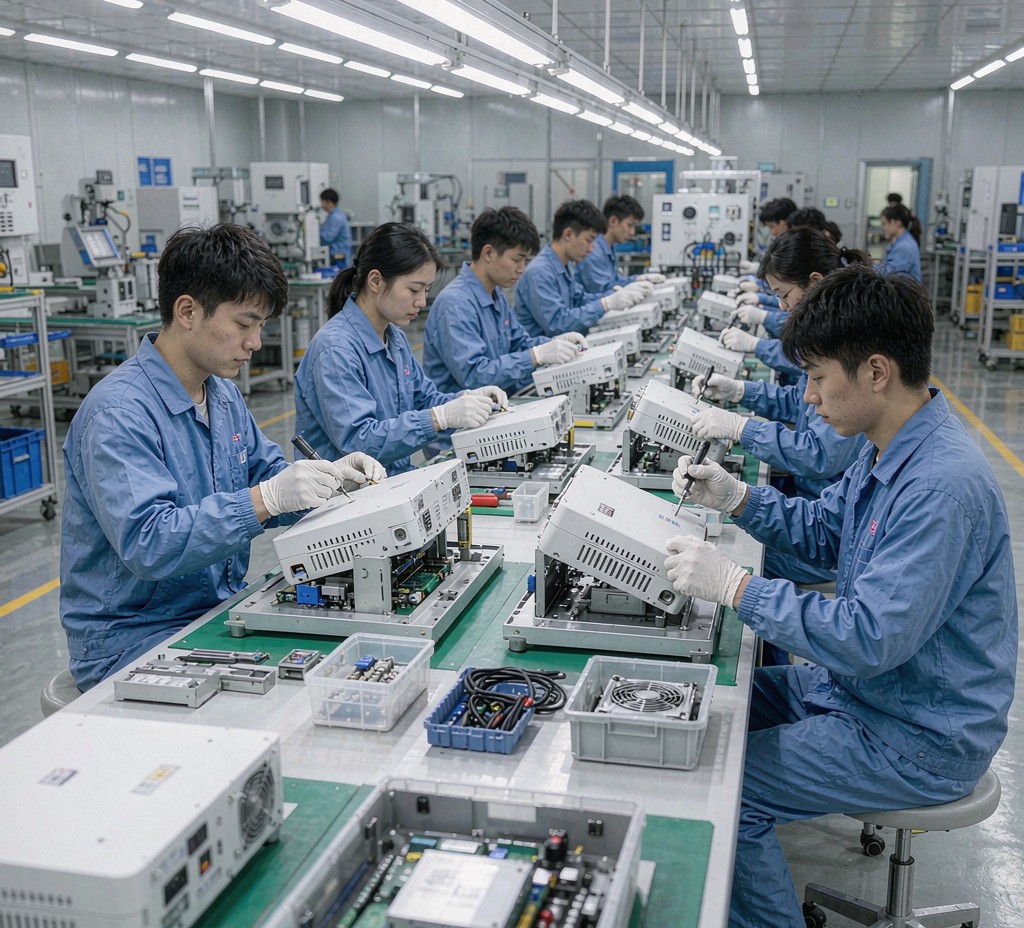
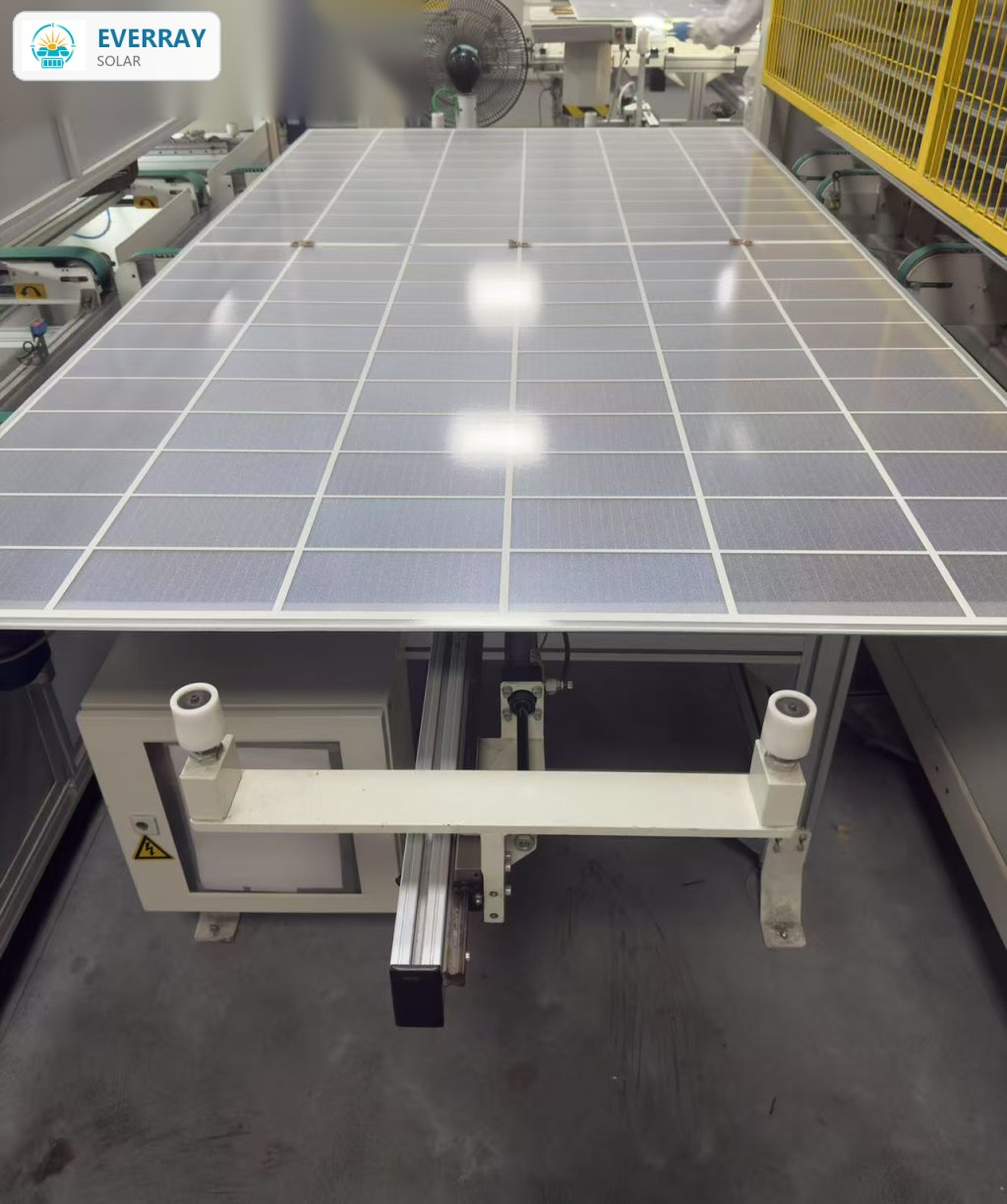
We are a Chinese supplier of LiFePO4 batteries, hybrid inverters and complete storage systems under the EverRay brand, shipping to distributors and EPC contractors in Southeast Asia. For the ATAP residential and small-commercial segment:
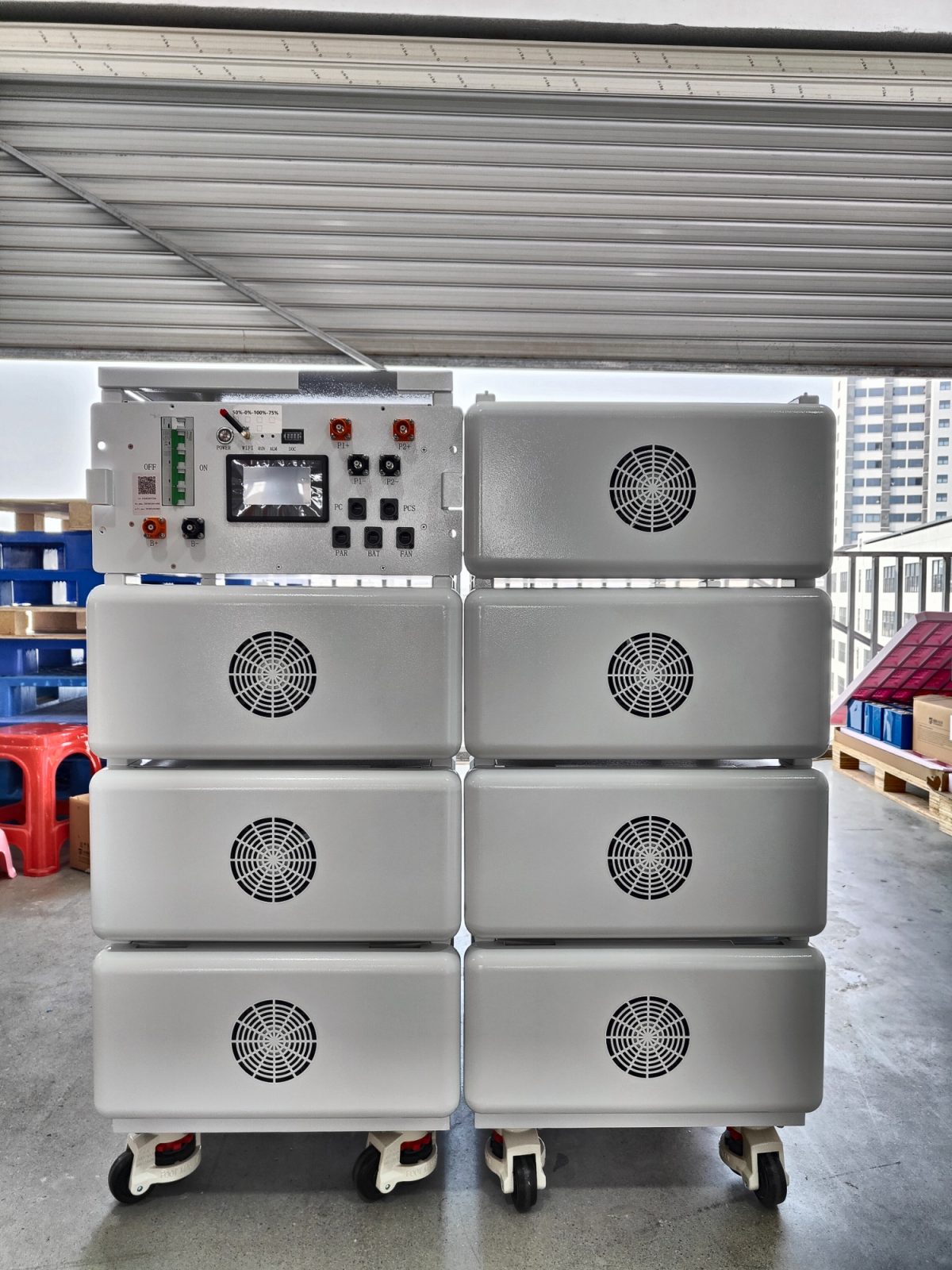
- 48V/51.2V wall and rack batteries from 5.12 kWh, stackable to 30 kWh+, with CAN/RS485 to mainstream hybrid inverters
- Single and three-phase hybrid inverters 2–30 kW, 200% surge for compressor starts, generator input for sites that still keep one
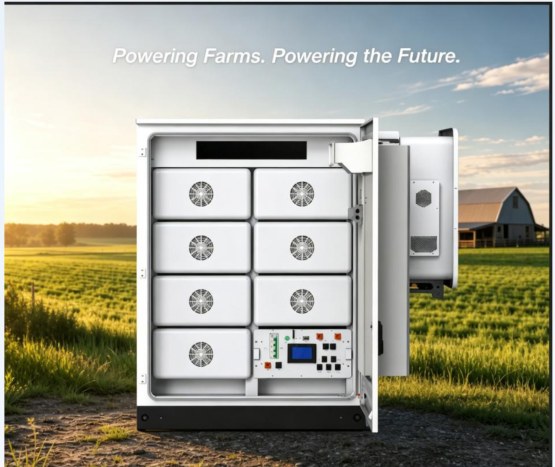
- High-voltage stacks and C&I cabinets for the non-domestic segment, including 261 kWh liquid-cooled outdoor units
- MOQ: 1 pallet of modules, 1 unit of inverter or battery — you can start with a trial container section, not a 40HQ gamble
- Lead time 1–2 weeks for standard configurations; CE / IEC documentation supplied per shipment
For distributor pricing, Port Klang landed-cost examples and the full terms, see our solar distributor programme, or send us your monthly model list and we will return a landed-cost sheet.
FAQ
Is NEM still available in Malaysia?
No. NEM closed to new applications in June 2025. New rooftop systems register under Solar ATAP from 1 January 2026. Existing NEM systems continue under their approved terms.
Do I still need a battery under Solar ATAP?
Not always. If your daytime consumption absorbs most generation, ATAP works without a battery. If your load peaks in the evening, a battery captures the surplus that export credits no longer fully reward. Size from the consumption profile.
What happens to my exported solar energy under ATAP?
It is credited against your bill at the applicable energy charge (domestic) within the same billing cycle. Unused credits do not roll over and cannot offset the fuel-cost adjustment component.
How big can a residential ATAP system be?
Single phase up to 5 kW; three phase up to 15 kW. Above that, non-domestic rules apply, capped at 100% of Maximum Demand up to 1,000 kW.
Are batteries mandatory in Malaysia?
For self-consumption installations above 1 MW, yes. Utility-scale solar under LSS6 also requires paired storage (1.25 GW alongside 2.5 GW of solar). Residential storage is not mandated — but under ATAP economics it is frequently what makes the system pay.
Which battery should I quote — 48V or high voltage?
Below roughly 20 kWh, 48V/51.2V wins on cost per kWh and installer familiarity. Above that, high-voltage stacks reduce current and losses. See our full 48V vs high voltage breakdown for the decision table.
Get a Quote for Your Solar Project
Tell us your destination market and requirement. We reply within 24 hours on business days with specifications, certificates and pricing — no obligation.
Get the 2026 EverRay Product Catalogue
25 pages · solar modules 440-735W, hybrid inverters 2-150kW, LiFePO4 batteries, home & C&I energy storage, solar pumps, lighting and PV cleaning