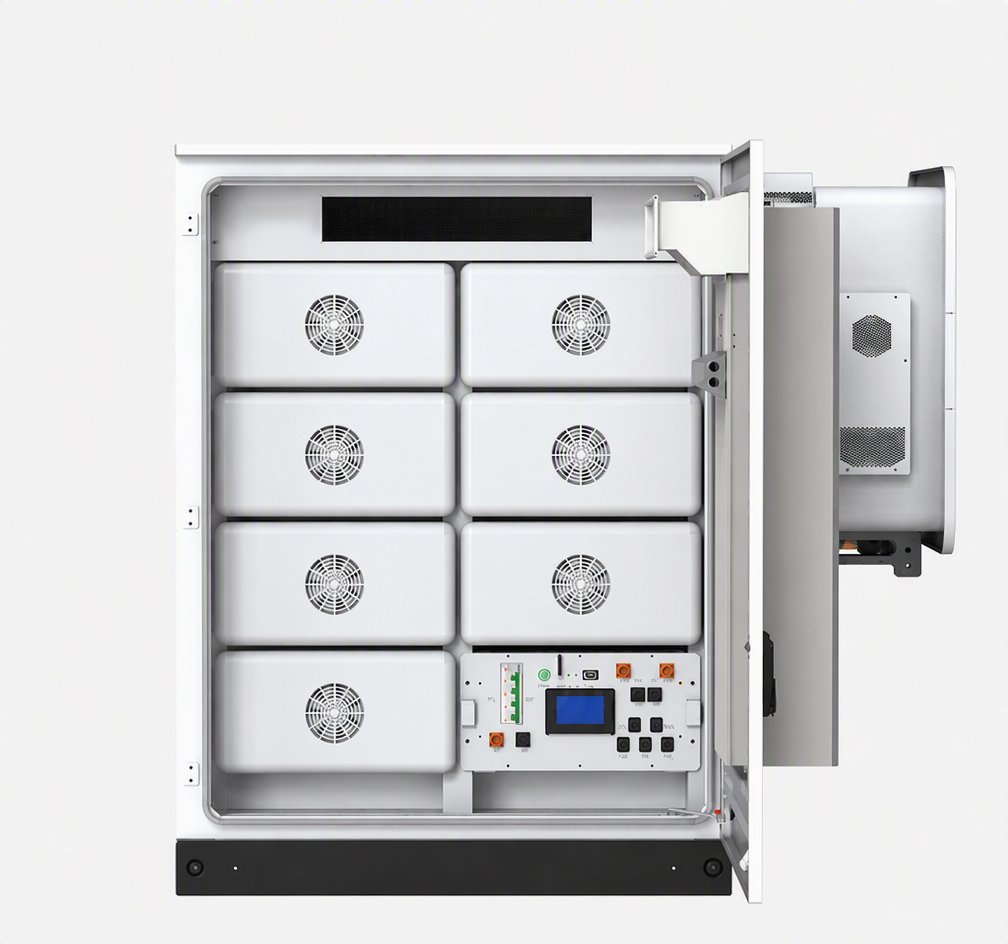
When a storage project outgrows wall-mounted cabinets — a factory smoothing its peak demand, a solar farm firming its output, a mini-grid powering a village — the default architecture is the containerized battery energy storage system: batteries, inverters, thermal management, fire protection and controls engineered into a standard shipping container, tested as one unit and shipped as one unit. It is the fastest route from purchase order to a working megawatt-class asset, but it is also the purchase where incomplete specifications cost the most money, because every subsystem inside that container is a place a low bidder can quietly cut.
This guide walks through the architecture, the sizing logic, the certification set and the cost structure, so you can compare quotations line by line instead of headline by headline. For the commercial logic behind choosing storage at all, start with our C&I storage buyer’s guide; this article stays on the container itself.
What a Containerized Battery Energy Storage System Actually Is
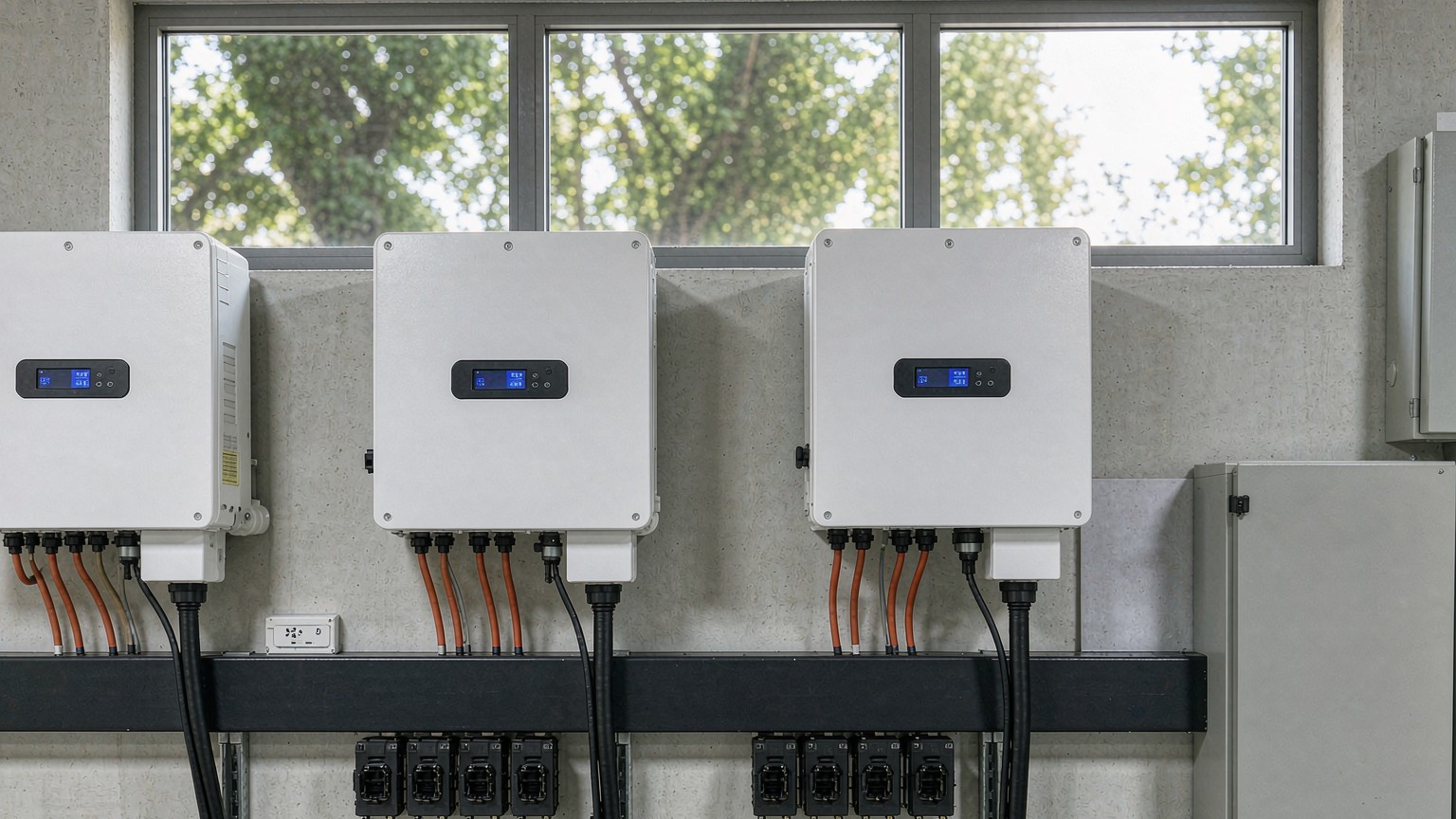
Strip away the marketing and a containerized BESS is five subsystems in a steel box: battery racks (modules with BMS), a battery management system coordinating them, one or more PCS units (the bi-directional inverters that convert DC to grid AC and back), thermal management (industrial air conditioning or liquid cooling), and safety systems — gas detection, smoke sensors, fire suppression, and an emergency stop chain. Around them sit the auxiliary power, lighting, access control and a local controller that runs the energy-management logic. Everything is factory-installed, wired and tested, so site work reduces to foundations, grid connection and commissioning.
The commercial advantage is that factory integration moves risk from your site crew to the supplier’s production line. A cabinet system assembled on site from five vendors gives you five warranty parties; a containerized system gives you one.
Containerized BESS vs Cabinet ESS: Which One Fits
| Factor | Cabinet (up to ~300kWh) | Containerized (300kWh–multi-MWh) |
|---|---|---|
| Typical project size | 50–300kWh, single building | 300kWh to multi-MWh, plant or mini-grid |
| Installation | Indoor or pad-mounted, minimal civil works | Crane placement, foundations, cable trenches |
| Cooling | Air (fans or AC) | Industrial AC or liquid cooling |
| Grid connection | Low voltage directly | LV or via transformer to MV |
| Expansion | Add cabinets in steps | Add containers in 1–2MWh blocks |
| Best for | Shops, workshops, small factories | Factories, solar plants, mini-grids, IPP projects |
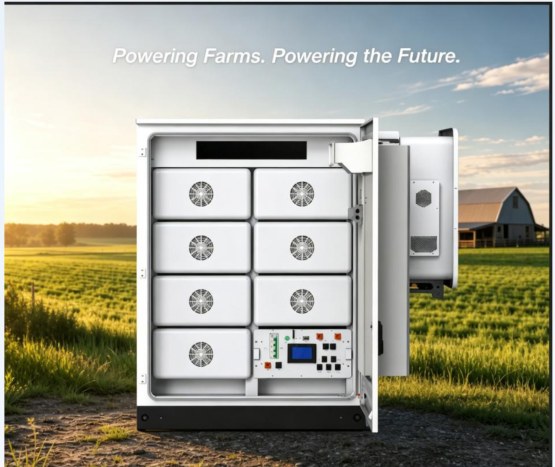
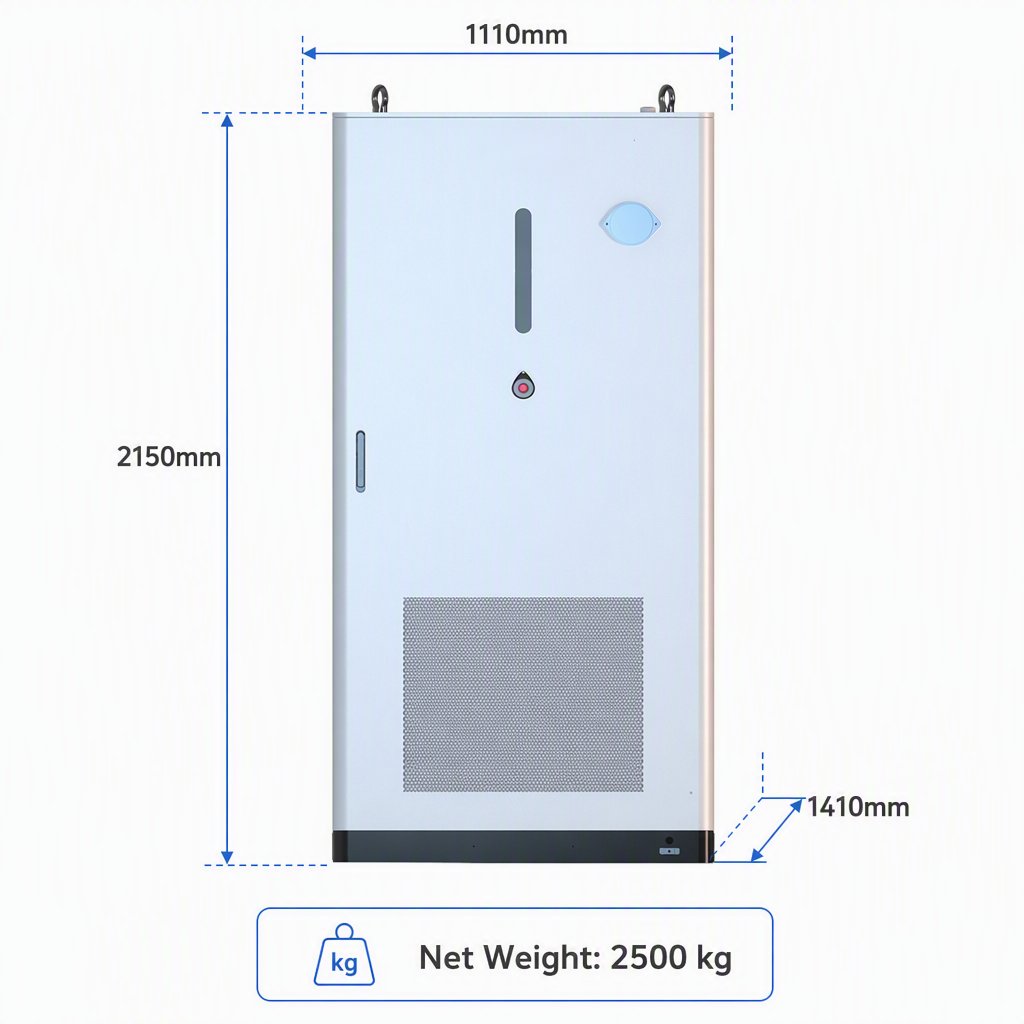
The crossover sits around 300kWh: below it, cabinets win on cost and simplicity; above it, the container’s integration and density win. Our commercial storage range covers both, and the honest answer we give customers is that the cabinet is usually the right first step — containers make sense when the load profile or the generation asset is already at scale.
Inside the Container: What Each Subsystem Does
- Battery racks and BMS — the energy itself, in modules of roughly 3–5kWh stacked into racks; the BMS enforces cell-level limits and reports state of health.
- PCS (power conversion system) — sized in kW; its rating, not the battery size, decides how fast energy can move. A 500kW PCS with 1MWh of batteries means a 0.5C system.
- Thermal management — keeps cells in their 15–35°C comfort band; this is the single biggest determinant of cycle life in hot climates.
- Fire and gas safety — smoke and H2/CO detection, aerosol or clean-agent suppression, explosion venting panels; in some markets, an NFPA 855-style layout is required by the AHJ.
- EMS controller — runs the tariff logic, peak-shaving targets and remote monitoring; insist on open protocols (Modbus TCP, IEC 104, or MQTT) so you are never locked into one dashboard vendor.
Liquid Cooling vs Air Cooling: The Decision That Outlives the Warranty
Air-cooled containers are cheaper and simpler, and remain the right choice for moderate climates and standby-duty applications. Liquid-cooled containers cost more up front but hold cell temperatures tightly, which pays back in three ways: higher usable capacity in summer, slower degradation (each 10°C above 30°C roughly halves calendar life), and higher packing density — liquid-cooled 20ft containers now reach 3–5MWh where air-cooled designs of the same footprint hold roughly 1–2MWh. If your project runs daily cycles in a hot climate, liquid cooling is not a luxury; it is the difference between the nameplate cycle life and the one you actually get.
Certifications and Grid Codes to Check Before You Sign
The container is a grid asset, so its paperwork matters as much as its hardware. The core set: cell and pack safety to IEC 62619, system-level evidence such as UL 9540 and UL 9540A thermal-runaway test data where the market expects it, transport certification UN 38.3 (see our shipping guide), and PCS conformity to the destination grid code — CEI 0-16 in Italy, VDE-AR-N 4110/4105 in Germany, G99 in the UK, or the local utility’s requirements elsewhere. Ask which documents are type certificates for your exact configuration and which are component-level; the gap between the two is where projects get stuck at commissioning.
What Drives the Cost of a Containerized BESS
| Cost block | Share of system price | Notes |
|---|---|---|
| Battery racks (cells + modules) | 50–60% | Tracks lithium carbonate prices; the quality tier of cells is the biggest hidden variable |
| PCS and transformer | 12–18% | Rating and grid-code compliance features drive the spread |
| Thermal system | 6–10% | Liquid cooling adds cost, returns life |
| Fire, safety, controls | 5–8% | Cheapest place for a competitor to save money — audit it |
| Container, integration, testing | 8–12% | Includes FAT (factory acceptance test) — attend it or send a third party |
Two quotations can differ 20% on price and be comparing different products: one with Tier-1 cells, real liquid cooling and a tested suppression system against one with commodity cells and box-tick safety. Insist that offers state cell brand and grade, cooling type, suppression medium, and cycle-life warranty at a defined depth of discharge — then compare.
Shipping, Installation and Commissioning
A 20ft BESS container ships as Class 9 dangerous goods with the full UN 38.3 document set; a 40ft high-capacity unit may travel on a flat rack or by special arrangement. On site, the sequence is: foundation and earthing, crane placement, LV/MV cabling, communications, then commissioning by the supplier’s engineer — typically 3–10 days including a grid-code witness test where required. Budget realistically: the container is 70–80% of the project; foundations, electrical works and commissioning make up the rest, and remote sites add logistics. Our delivery terms follow the standard Incoterms ladder, and for first projects we strongly recommend DAP or CIF so the hazardous-goods leg sits with the party that ships containers every week.
Frequently Asked Questions
How much does a containerized battery energy storage system cost?
Budget in three layers: the container system itself (dominated by battery cost, which moves with lithium prices), balance-of-plant (foundations, MV transformer, cabling, typically 15–25% on top), and soft costs (design, permits, commissioning). As a working method rather than a promise: price per kWh falls as capacity rises, liquid cooling adds roughly 5–10%, and grid-code compliance features vary sharply by country. Send us your load curve and target market and we will return a configured price within 24 hours.
How long does a containerized BESS last?
Design life is typically 10–15 years, but the honest variable is cycle life at real operating temperature: quality LFP systems are warranted for 6,000+ cycles at 80–90% depth of discharge, delivered only if thermal management keeps cells in range. That is why the cooling section above is the one worth re-reading.
Can the system integrate solar directly?
Yes — two architectures exist. A DC-coupled design feeds PV through the same PCS, maximising efficiency for new-build plants; an AC-coupled design connects the container alongside existing inverters, which is the right retrofit for a factory or plant that already runs solar. Tell us which situation you are in and the recommendation is usually unambiguous.
What happens if one rack fails?
A properly designed container isolates the fault at rack level: the BMS takes the string offline and the system keeps operating at reduced capacity until service. Ask for the redundancy specification in writing — rack-level isolation, hot-swappable modules and remote diagnostics are the three features that separate a serviceable asset from a stranded one.
Do you support OEM branding for containerized projects?
For project developers and EPCs, yes — container livery, nameplates, documentation and EMS dashboards can carry your brand, subject to certification files remaining traceable to the tested configuration. The compliance boundaries are the same as those in our OEM vs ODM guide.
Containerized Microgrid Battery Systems: Adding Solar and Gensets
A growing share of enquiries ask for a containerized microgrid battery system rather than a plain storage container. The difference is the architecture: a containerized hybrid power system combines PV input, a genset interface and battery storage behind one control layer, so the diesel set only runs during extended cloudy periods or maintenance windows. That cuts fuel logistics roughly in half on island and off-grid industrial sites. If your project pairs solar with existing generators, read our guide on solar-diesel hybrid microgrids for architecture options and sizing rules, or ask our engineers for a combined PV-plus-BESS single-line diagram.
Get a Containerized BESS Configuration and Price
Send us your load profile, target market and whether solar is part of the picture, and we will return a single-line diagram, configuration and price — including which certifications your market actually requires. Explore the commercial ESS range or contact us for a response within 24 hours.
Get a Quote for Your Solar Project
Tell us your destination market and requirement. We reply within 24 hours on business days with specifications, certificates and pricing — no obligation.
Get the 2026 EverRay Product Catalogue
25 pages · solar modules 440-735W, hybrid inverters 2-150kW, LiFePO4 batteries, home & C&I energy storage, solar pumps, lighting and PV cleaning