Every battery placed on the European Union market — including the LiFePO4 packs inside your solar and storage orders — is now governed by the EU Battery Regulation 2023/1542. It replaced the old Battery Directive 2006/66/EC and turned what used to be a labelling directive into a full product-safety, traceability and market-surveillance regime. For importers the practical consequence is blunt: a battery that arrives without a compliant file is not a paperwork nuisance, it is unsellable in the EU, and market-surveillance authorities can require its withdrawal from the market.
The passport itself deserves its own briefing: our EU battery passport 2027 checklist covers the data fields, the four access tiers and the eight questions to put to a supplier before ordering.
This guide translates the regulation into an importer’s checklist: which batteries it covers, what phased in and when, who is legally the “manufacturer” when you buy from a Chinese factory, and exactly which documents to request before you place a deposit. It is the battery-specific companion to our CE, UL and IEC certifications guide; read both and you will know what a complete compliance file looks like.
EU Battery Regulation 2023/1542: The Short Answer
From 18 February 2024 the Regulation applies, and every battery sold in the EU must be CE marked under it. The obligations phase in through 2028: safety requirements for stationary storage took effect in August 2024, supply-chain due diligence for larger companies starts August 2025, the digital battery passport becomes mandatory for industrial batteries above 2kWh from February 2027, and labelling obligations roll in between 2026 and 2028. If you import home storage or C&I battery systems into the EU, your compliance work starts at the factory gate — most of these obligations sit with the manufacturer and the importer together, and the Regulation explicitly binds importers, not only EU manufacturers.
Why the Old Battery Directive Was Not Enough
The 2006 directive was written for consumer batteries: mercury and cadmium limits, a crossed-out wheelie bin symbol, recycling targets. It predated grid-scale lithium storage, e-mobility and the EU’s raw-materials agenda. The 2023 Regulation is a different instrument entirely: it is a single regulation (identical law in all member states, no more 27 national transpositions), it attaches batteries to the CE-marking system with full conformity-assessment procedures, and it adds whole-life obligations — carbon footprint disclosure, minimum recycled content, supply-chain due diligence, removability and a digital passport. For a solar importer, the two changes that bite hardest are the CE conformity file and the safety requirements for stationary storage.
Which Battery Categories the Regulation Covers
The Regulation sorts every battery into one of five categories, each with its own rule set:
- Portable batteries — sealed units under 5kg used in consumer devices.
- SLI batteries — starting, lighting and ignition batteries for vehicles.
- LMT batteries — light means of transport (e-bikes, scooters, up to 25kg).
- EV batteries — electric-vehicle traction packs.
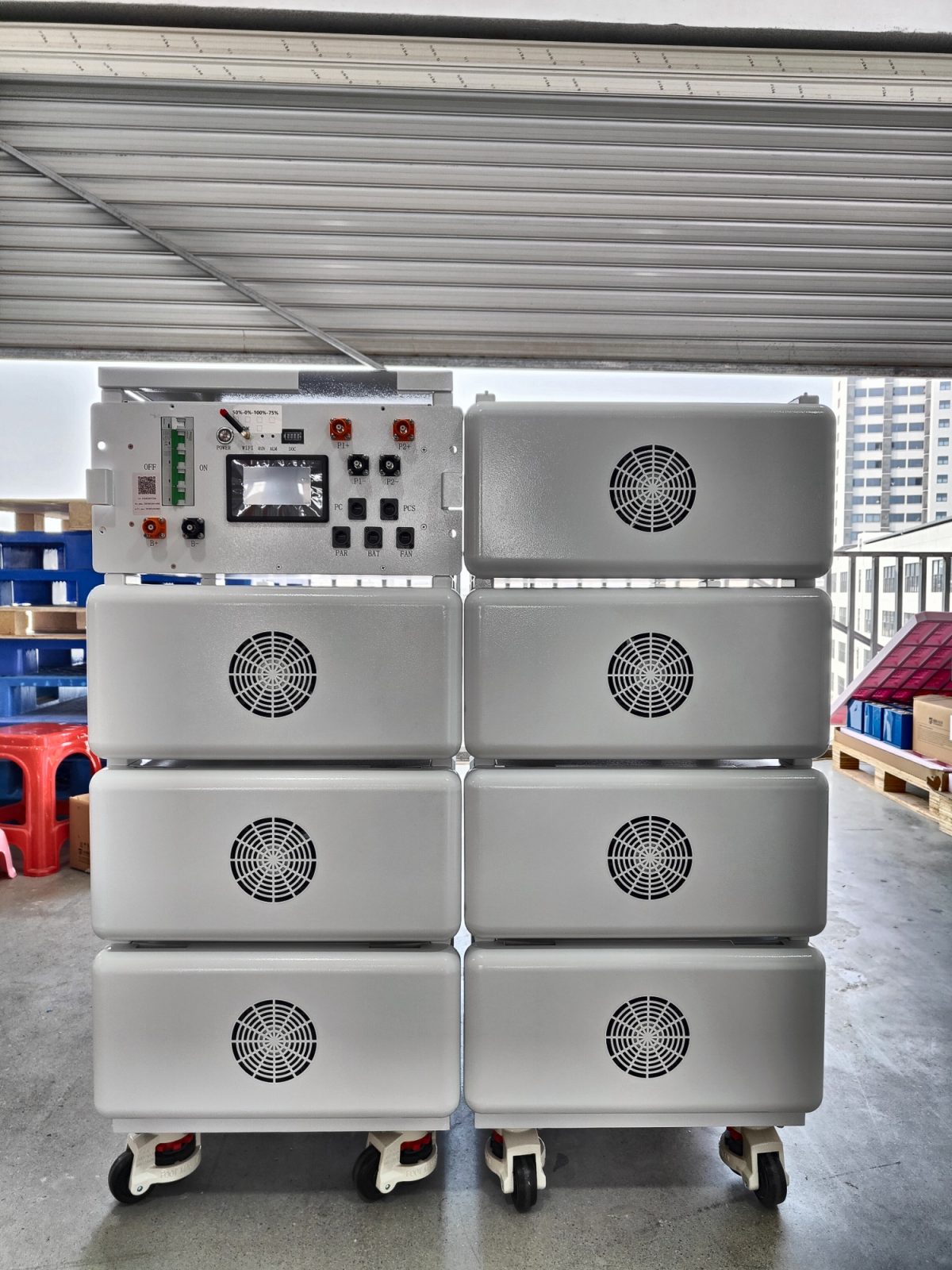
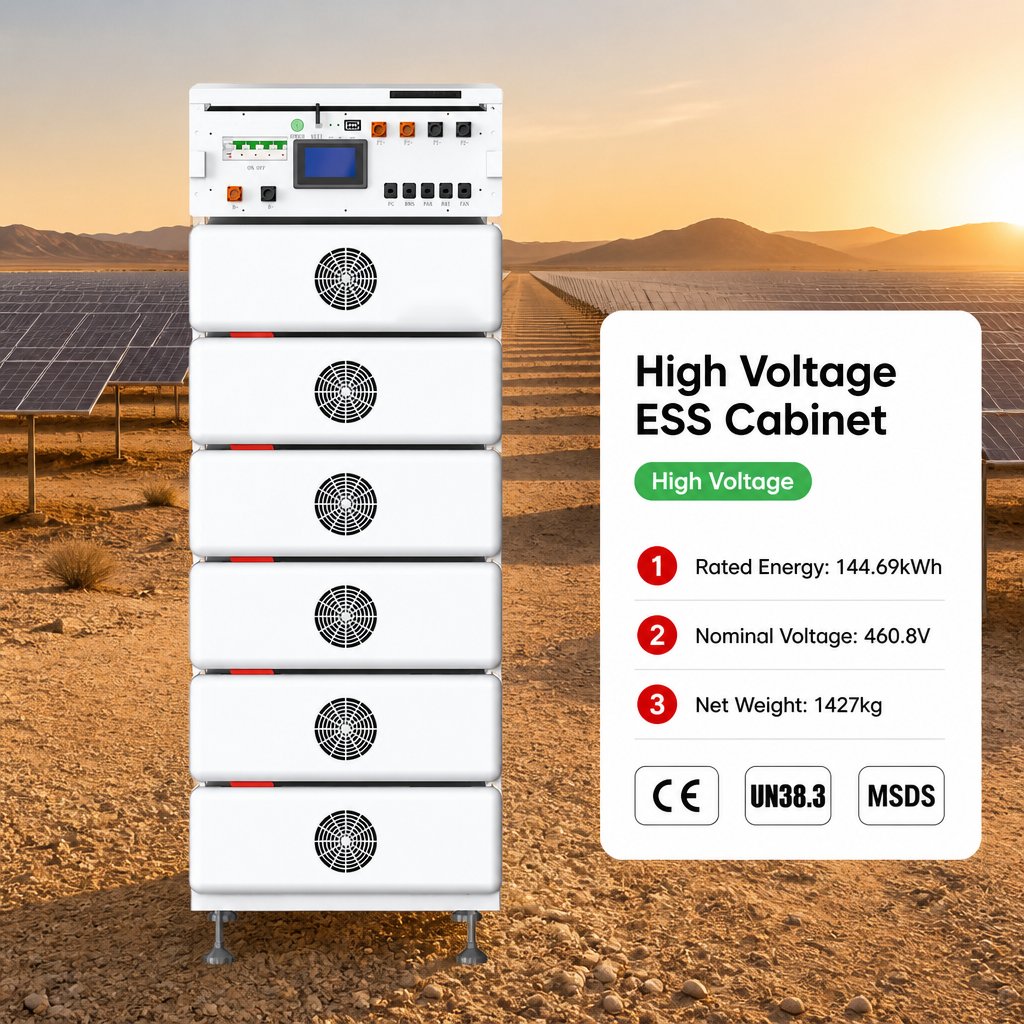
- Industrial batteries — everything else designed for industrial or professional use. Crucially, the Regulation explicitly names stationary battery energy storage systems (SBESS) as a sub-category of industrial batteries — this is where home storage cabinets, stacked LiFePO4 systems and C&I containers fall.
A residential storage system with more than 2kWh of energy is an industrial battery in the regulator’s eyes, even though it hangs on a garage wall. That single classification decision drives most of the document list below.
The Obligations Timeline, 2024 to 2028
| Date | What starts applying | Who feels it |
|---|---|---|
| 18 Feb 2024 | Regulation applies; CE marking and general requirements in force | All batteries placed on the EU market |
| 18 Aug 2024 | Safety parameters for stationary battery energy storage systems; conformity assessment procedures operational | Home and C&I storage importers |
| 18 Feb 2025 | Carbon footprint declaration for EV batteries (first category) | EV pack importers |
| 18 Aug 2025 | Supply-chain due diligence for companies above EUR 40 million turnover | Large importers and brand owners |
| 2026 | Carbon footprint declaration expected for industrial batteries above 2kWh (subject to delegated acts) | Home and C&I storage importers |
| 18 Feb 2027 | Battery passport (digital record via QR code) for LMT, industrial >2kWh and EV batteries; QR-code labelling live | All storage importers |
| 2026–2028 | Remaining labelling, removability and recycled-content obligations phase in | All categories |
Some dates depend on delegated acts that refine the details, so treat the table as the working calendar rather than legal advice — your importer of record or notified body will confirm the current status of each obligation. What does not change is the direction: every obligation increases the documentation the factory must hold, so the sensible move is to choose suppliers whose files already exist.
Safety Requirements for Stationary Storage: What the Factory Must Evidence
From August 2024, an SBESS placed on the EU market must demonstrate a defined set of safety parameters in its technical documentation — thermal behaviour, vibration, external short circuit, overcharge, over-discharge, deep discharge, mechanical shock and thermal abuse among them. In practice this is evidenced with IEC-type test reports: EN 62619 for cell and battery safety, EN IEC 63056 for many lithium industrial packs, plus system-level evidence for the BMS. A serious supplier will already hold these reports for the exact cell and pack configuration you are buying, not for “a similar model”. When you evaluate a LiFePO4 battery supplier, ask for the test report with the exact model number and cell batch you are purchasing — mismatched reports are the most common gap we see in audits.
Carbon Footprint, Recycled Content and the Battery Passport
Three obligations will reshape sourcing conversations over the next three years:
- Carbon footprint declaration — a cradle-to-gate figure in kg CO2e per kWh, calculated by a defined method and later subject to performance classes and maximum thresholds. For stationary industrial batteries this is expected around 2026. Factories with in-house cell production and grid-mix data will answer this quickly; trading companies will not.
- Recycled content — minimum shares of recovered cobalt, lithium, nickel and lead phase in from 2031, but documentation of material flows starts earlier.
- Battery passport — from February 2027 every industrial battery above 2kWh needs a QR-linked digital record covering chemistry, carbon footprint, due-diligence information and disassembly data. This effectively requires the manufacturer to run a data system, which is one more reason the identity of your actual manufacturing partner matters.
Who Is Legally Responsible: Manufacturer, Importer, Distributor
| Role | Core obligations |
|---|---|
| Manufacturer | Draws up technical documentation and the EU declaration of conformity, runs conformity assessment, affixes CE marking, keeps records 10 years, handles corrective actions |
| Importer | Verifies the CE file and labels exist before placing on the market, keeps the declaration of conformity available, ensures storage and transport conditions, registers as economic operator |
| Distributor | Checks CE marking and required labels, does not supply non-compliant products, informs the authority if needed |
Here is the part private-label buyers most often misunderstand: if you put your own brand on the battery and present yourself as its manufacturer, you take on manufacturer obligations — even though the factory in China physically made it. This is exactly the scenario in our OEM vs ODM guide: white-labelling is not a compliance shortcut. The workable structure is a written agreement where the factory provides the technical file, test reports and the right for you to draw up the declaration of conformity as the brand owner, while remaining reachable as the technical file holder.
What to Ask Your Supplier Before You Import
Use this as the pre-deposit checklist for any EU-bound battery order:
- CE declaration of conformity naming Regulation (EU) 2023/1542 as the applicable legislation
- EN 62619 / EN IEC 63056 (or equivalent) safety test reports for the exact model
- UN 38.3 test summary for transport (see our battery shipping guide)
- MSDS/SDS and pack marking artwork
- Named EU responsible person or importer of record arrangement
- Warranty terms that survive the compliance chain — who notifies authorities, who funds recalls
- A plan for the battery passport era: who maintains the data record
A supplier who answers these in days, with consistent model numbers across every document, is telling you something no factory tour can: they run a compliance process, not a compliance story.
Frequently Asked Questions
Does the EU Battery Regulation 2023/1542 apply to batteries installed inside a solar inverter or all-in-one system?
Yes. The Regulation applies to any product containing or designed to contain batteries placed on the EU market. A hybrid inverter with integrated batteries, or an all-in-one storage cabinet, carries battery obligations on the battery side alongside the product’s own CE regime (EMC, LVD, RED where relevant). The files are separate and both are required.
Is CE marking under the new Regulation already mandatory?
The Regulation applies from 18 February 2024 and batteries placed on the market must meet its requirements and carry CE marking accordingly. Conformity-assessment details phase in as harmonised standards and delegated acts are finalised, which is why working with a factory that tracks the calendar — rather than one that treats “CE” as a sticker — matters so much.
Do UK buyers need to follow EU Battery Regulation 2023/1542?
Great Britain operates its own post-Brexit battery regime, but it largely mirrors the EU framework, and Northern Ireland follows EU rules. If you sell into both markets, plan the compliance file once against the stricter (EU) requirements and it will satisfy both.
Who can act as the “manufacturer” if I private-label batteries?
You can, by placing your brand and presenting the product as yours — but that transfers real obligations to you. The standard solution is a tripartite arrangement: factory holds the technical file and test reports, you hold the brand and the declaration of conformity, and an EU-based responsible person is appointed. Get this agreed in writing before the first shipment.
Will small importers be exempt from due diligence and the battery passport?
Supply-chain due diligence obligations target companies above EUR 40 million net turnover, so very small importers escape that specific duty — but the battery passport, safety requirements and labelling apply by product category, not company size. Buying from a compliant factory is therefore the small importer’s only realistic path, since building these systems alone is not economical below scale.
Get Your EU Compliance File Reviewed
Send us the markets you sell into and the products on your list, and we will return the full compliance document set — declaration of conformity, safety reports, transport documents and labelling artwork — alongside your quotation. Browse the battery range or contact us and expect a complete answer within 24 hours.
Get a Quote for Your Solar Project
Tell us your destination market and requirement. We reply within 24 hours on business days with specifications, certificates and pricing — no obligation.
Get the 2026 EverRay Product Catalogue
25 pages · solar modules 440-735W, hybrid inverters 2-150kW, LiFePO4 batteries, home & C&I energy storage, solar pumps, lighting and PV cleaning