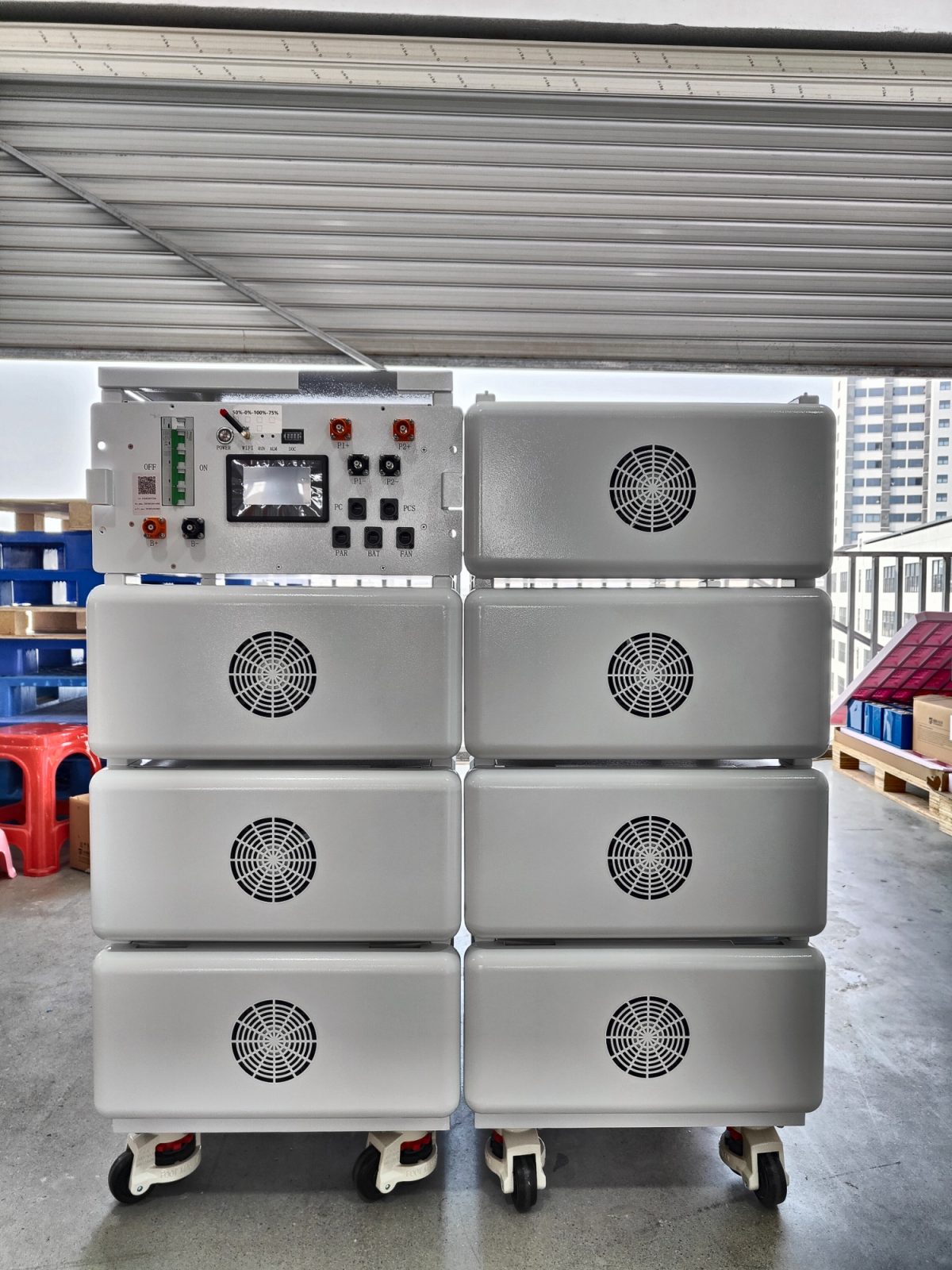
The all in one home storage system — battery, inverter and controls engineered into a single enclosure — has become the fastest-moving product in residential energy. For distributors and installers it is also the easiest product to brand: one SKU, one datasheet, one installation manual, one app. That simplicity is exactly why OEM matters so much in this category, and why getting the OEM agreement right matters more here than in any other solar product line.
This guide covers what “all-in-one” actually means, how it compares with split systems, what can and cannot be customised under private label, realistic MOQs and lead times, and the quality checkpoints that protect your brand. For the strategy behind the choice itself, read our OEM vs ODM guide; this article stays on the product.
What “All-in-One” Means in Home Energy Storage
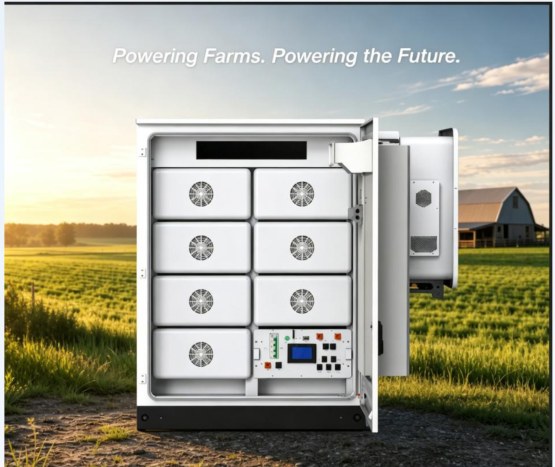
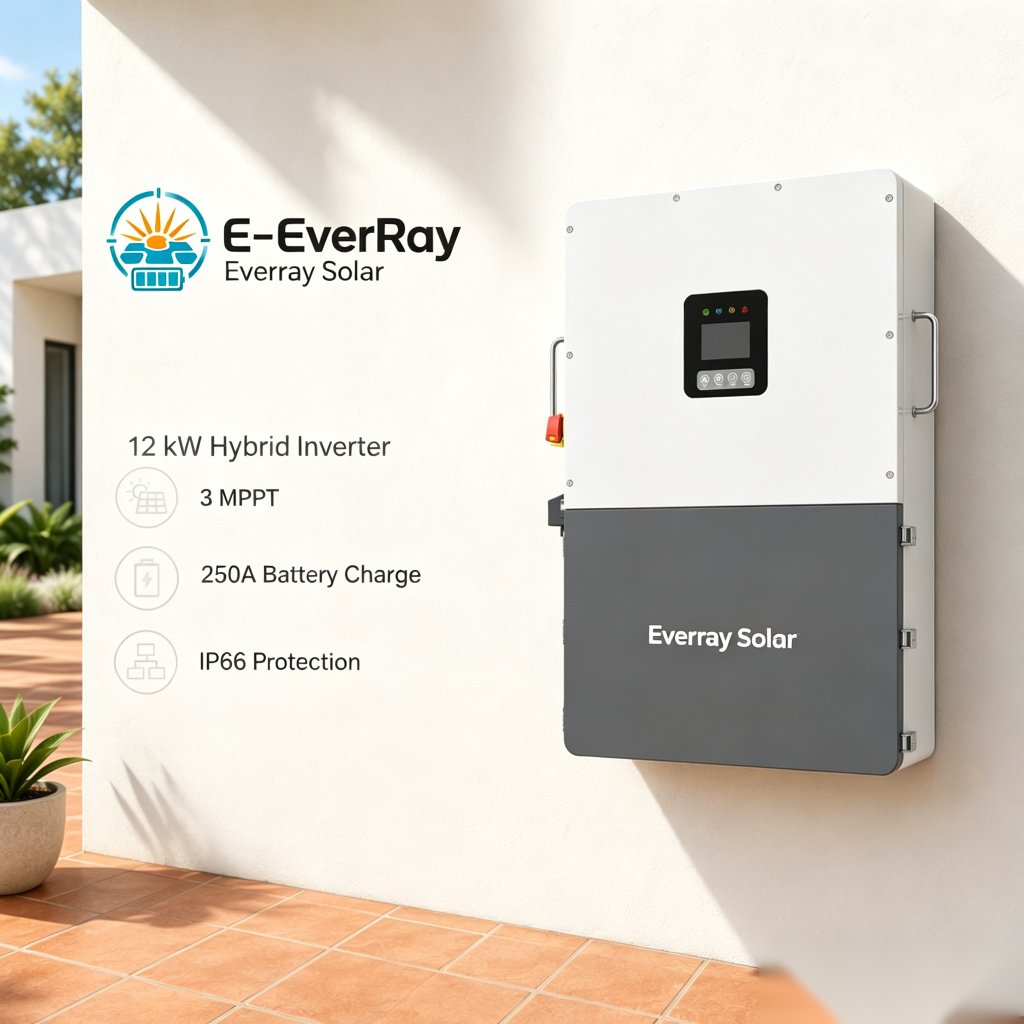
An all-in-one system integrates three traditionally separate components into one housing: the battery (LiFePO4 cells with BMS), the hybrid inverter (DC-AC conversion, MPPT solar input, grid interaction) and the energy management controller. The customer buys one box, mounts it on a wall or floor stand, connects PV strings, battery-ready AC and grid — and the system runs. Capacities in this class typically range from 5kWh to 30kWh with 3–8kW inverters, single-phase or split-phase.
The alternative is a split system: a separate hybrid inverter plus one or more battery towers. Neither architecture is universally better — they serve different buying situations.
All-in-One vs Split Systems: The Honest Trade-offs
| Factor | All-in-One | Split (inverter + battery) |
|---|---|---|
| Installation time | Lowest — one unit, one wiring harness | Higher — two or more units, matching work |
| Commissioning risk | Minimal — factory-matched components | Compatibility must be verified per combination |
| Expansion flexibility | Bounded by the enclosure design | Wide — add battery modules or swap inverters |
| Brand control | Total — the whole product is your SKU | Partial — two brands visible on the wall |
| Service model | One vendor, one warranty | Two vendors if sourcing differs |
| Best for | Distributors, installers, entry-market programs | Custom projects, mixed fleets, phased systems |
The pattern we see across markets: retailers and installation companies that want their name on the wall choose all-in-one; engineers and EPCs assembling project-specific systems choose split. Our home storage range deliberately covers both, because forcing every buyer into one architecture is how suppliers lose accounts.
What Can Be Customised Under an OEM Agreement
| Element | Standard OEM | Notes |
|---|---|---|
| Logo on enclosure | Yes — printing or embossed plate | Vector artwork required; sample panel before production |
| Packaging & cartons | Yes — your brand, language, marks | Include UN 38.3 and Class 9 marks where applicable |
| Manuals & datasheets | Yes — translated and rebranded | Technical content reviewed by the factory |
| App / UI language & branding | Usually yes | Confirm who hosts the monitoring platform |
| Firmware defaults | Yes — grid code, tariffs, limits preset for your market | Match your local grid-code profile |
| Enclosure colour / finish | Volume-dependent | Tooling or paint change adds lead time |
| Core electrical design | ODM territory | New certification cycle — budget months, not weeks |
The compliance boundary matters: rebranding a certified, factory-owned design is OEM and keeps the certification files valid with a co-branding or private-label agreement. Changing the electrical design is ODM and restarts certification — a detail covered in depth in our EU battery regulation guide for European brands.
MOQ, Tooling and Lead Time: What Realistic Looks Like
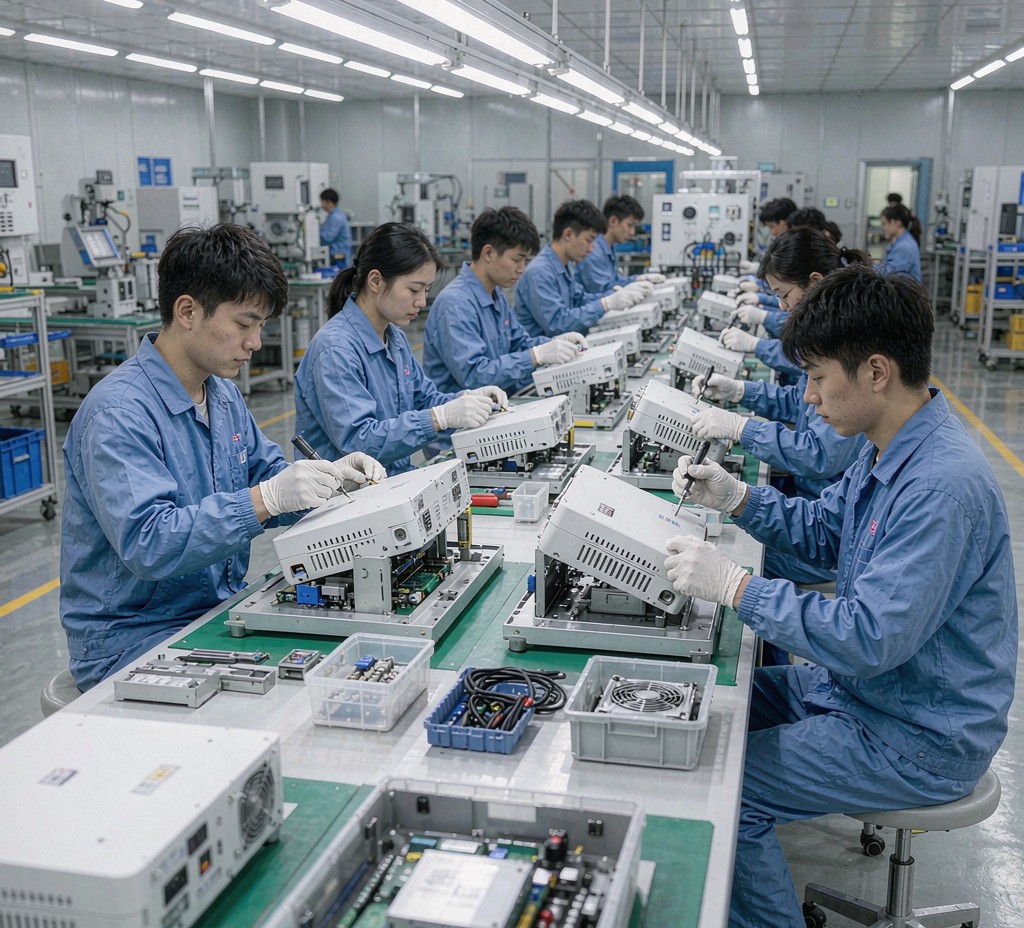
Standard OEM — logo, packaging, manual, UI — typically starts from one full pallet to a container, depending on the model’s value. First article takes 2–4 weeks for approval, production 3–5 weeks after that. Enclosure colour changes and moulded branding involve tooling and add 4–8 weeks. What separates a smooth program from a painful one is rarely the factory’s speed; it is how early the brand-side inputs arrive — artwork, translated manuals, market-specific defaults. Suppliers can only be as fast as the slowest approval in the chain.
Quality Checkpoints Before Your First Container Ships
- Pre-production sample — the branded unit you approved becomes the reference; production must match it, not the datasheet.
- Cell traceability — batch numbers of cells recorded per unit; this is what makes a warranty claim serviceable years later.
- Function test at 100% — every unit charge-discharge tested, not sampled; ask for the test record format.
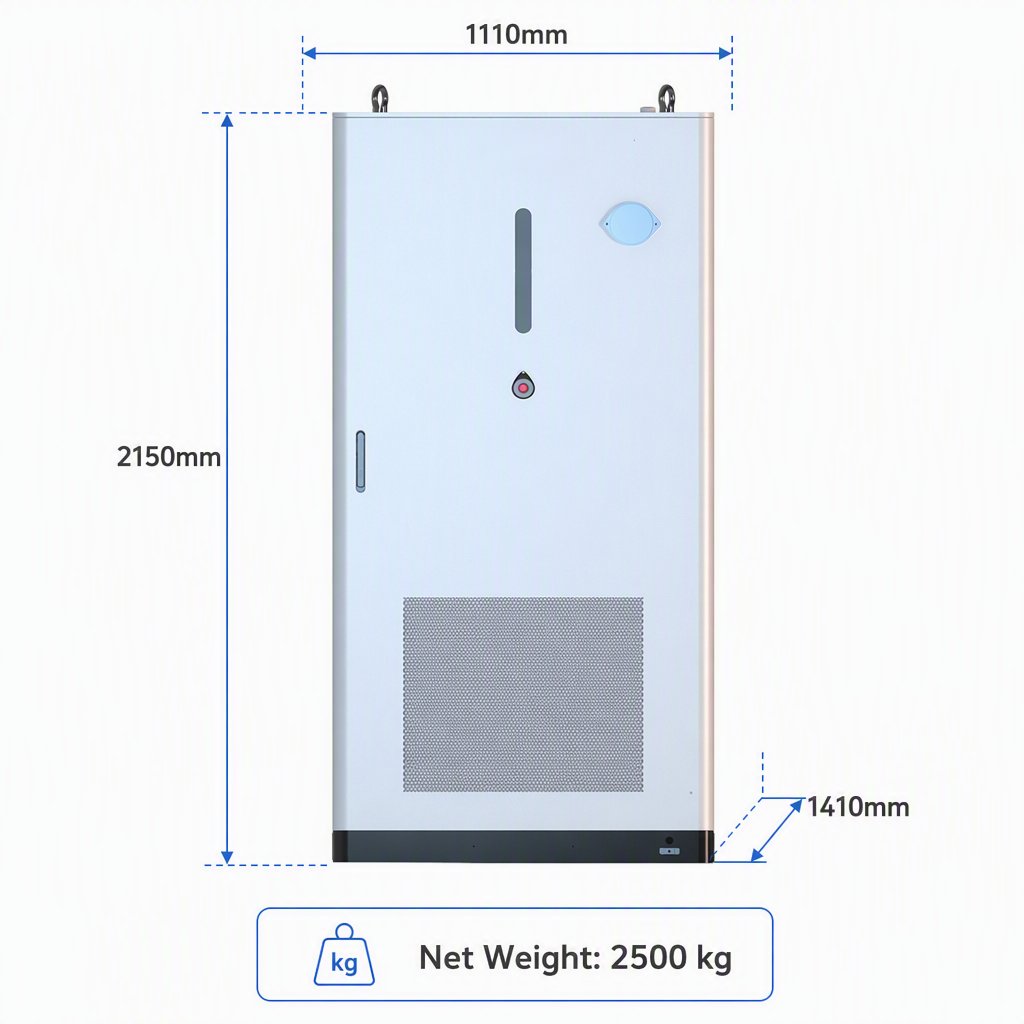
- Packing drop review — all-in-one units are heavy; verify the carton and foam survive your distribution reality, not the lab’s.
- Documents in the carton — manual, warranty card, UN 38.3 transport compliance references (see our shipping guide).
A partner factory running OEM at volume will show you these checkpoints without being asked. If a supplier resists any of them, the discount you were promised is being paid for somewhere you cannot see.
Frequently Asked Questions
What is the typical MOQ for all in one home storage system OEM?
For logo, packaging and manual customisation on our platform, programs typically start at one pallet per model for evaluation and a container per model for production runs. Deeper customisation — colours, moulded branding, firmware variants — carries volume thresholds because tooling cost must be amortised. Tell us your market and volume forecast and we will name a realistic starting point rather than a negotiable fiction.
Will the certifications still be valid under my brand?
Yes, under a private-label agreement the factory’s certification files cover the rebranded product, with your brand registered as the label owner — this is exactly the manufacturer/importer structure explained in our compliance guides. What voids certifications is modifying the design; keep the electrical architecture untouched and the files stay yours to use.
Can the monitoring app carry my brand?
In most programs, yes — either a white-labelled instance of the factory platform or an API integration into your own. The question to ask is who operates the platform long term: uptime, data ownership and what happens if the business relationship ends. Agree that in writing alongside the price.
How does warranty service work with my brand on the product?
The standard structure: your customers deal with you, you deal with us. Parts are replaced from local or regional spares you hold, with the factory supplying replacements under the agreement. For volume programs, stocking a small spare pool (typically 2–3% of units deployed) turns most warranty events into a same-visit fix instead of a cross-ocean wait.
Start Your Home Storage Brand
Send us your market, target price point and monthly volume, and we will propose an all-in-one configuration, a branding scope and a sample plan — including which certifications your market requires. Browse the home energy storage range or contact us; we reply within 24 hours.
Get a Quote for Your Solar Project
Tell us your destination market and requirement. We reply within 24 hours on business days with specifications, certificates and pricing — no obligation.
Get the 2026 EverRay Product Catalogue
25 pages · solar modules 440-735W, hybrid inverters 2-150kW, LiFePO4 batteries, home & C&I energy storage, solar pumps, lighting and PV cleaning